I’ve spent years at Tactical Games events as a competitor, lane judge, skirmish organizer, and media producer. That means countless hours observing what gear people actually run when the timer starts. Hearing protection is one of the most common gear questions I see from new competitors, and for good reason. The demands are different here than at a static range or typical 3-gun match.
This guide breaks down what TTG competitors actually use based on direct observation and feedback gathered from competitor discussions over multiple seasons.
Spoiler Alert: You might be surprised to see 50 cent foamies edge out everything else as the best hearing protection for The Tactical Games, followed closely by custom molded options with percussive filters like Decibullz, and a myriad of electronic in-ear options varying by personal preference on comfort and Bluetooth capabilities. Over-the-ear muffs are saved for doubling up on inner ear, or general use while being a lane judge or spectating. Read on for the full details.
Why Tactical Games Ear Protection Is Different
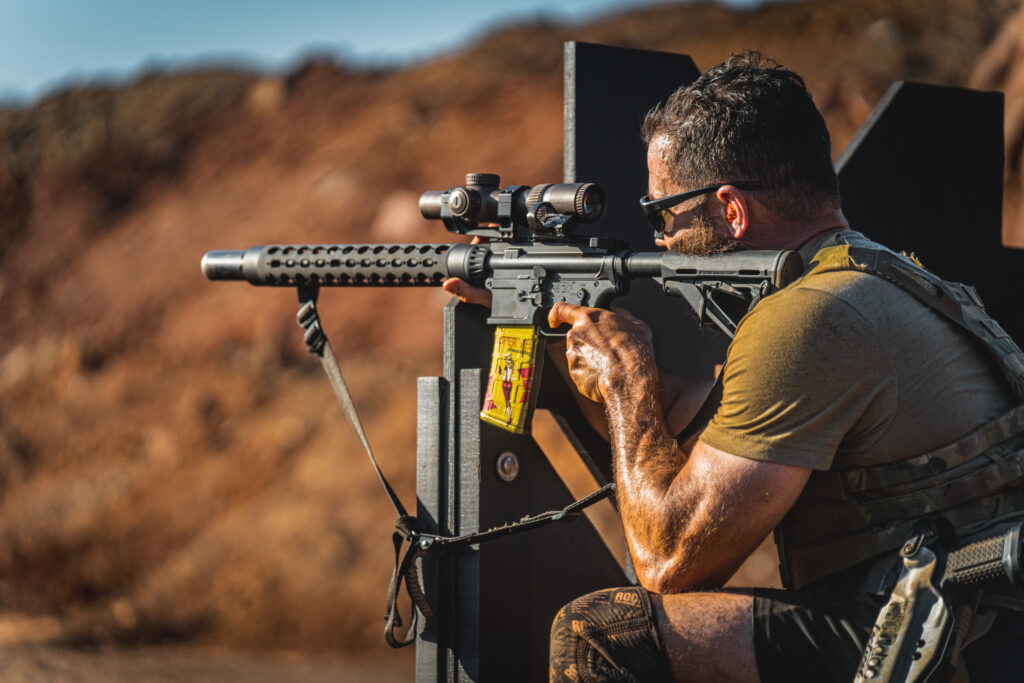
The Tactical Games present challenges you won’t find at a static range or even other dynamic shooting disciplines like PCSL or 3-gun.
Physical demands change everything. You’re running, carrying sandbags, doing cleans, working an axle bar, and transitioning between shooting positions. Your ear pro needs to stay put through all of it. Muffs can shift. Bulky wireless earbuds can pop out. Corded in-ear models can snag on plate carriers and rifle slings.
No muzzle brakes, but still loud. TTG prohibits muzzle brakes, which helps. But you’re still shooting in close proximity to other competitors, and supersonic rounds through a suppressor are still plenty loud. Flash hiders don’t eliminate noise. On covered shooting positions or in confined areas like connex boxes, the sound bounces and amplifies.
You need to hear range commands. Missing the start timer costs you time. Missing an RO command can get you DQ’d. It’s important to find a balance between sufficient protection while still being able to hear what’s going on around you.
Comfort is important. One of my favorite aspects about The Tactical Games is that outside of shooting your course of fire and judging the heat after you, you’re far enough away from the line that hearing protection isn’t always necessary – but you should still expect to be actively using it for 4-6 hours per day making comfort a priority.
How TTG Stage Format Affects Your Ear Pro Choice
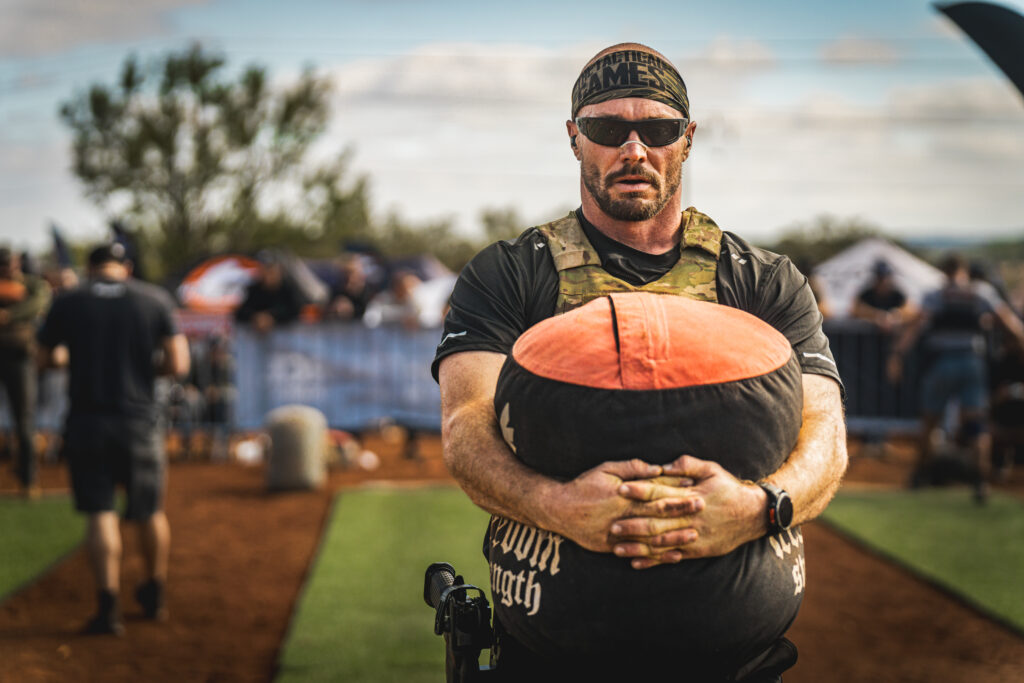
Understanding how stages typically operate helps explain why gear choices matter.
A standard TTG stage starts with physical work away from the firing line. You might be running, rowing, carrying sandbags, or working through an obstacle. During this portion, you need something comfortable that still allows you to hear the range officer calling instructions or time warnings.
When you move up to the firing line, you’re typically only a couple yards from the shooter next to you. You need to hear callouts, safety reminders, and warnings from your line judge or range officer. Five out of eight stages at a typical event operate this way.
The remaining stages break down differently:
One stage is usually movement-only with your gear. A run, ruck, or obstacle course without shooting. Eye and ear protection aren’t required unless it’s near another active bay.
One stage is typically a physical floater like max row or sandbags over a bar. Again, hearing protection isn’t needed if it’s far enough away from a firing line.
One stage is usually a 2-gun or shooting-focused format with single-shooter-at-a-time runs, similar to what you’d see at a traditional 2-gun or 3-gun match. This stage is where doubling up with plugs plus over-ear muffs makes the most sense for maximum protection, since you’re not competing simultaneously with others and can take the extra time to set up proper protection (and your total course of fire is 180 seconds or less).
In-Ear vs. Over-Ear: What TTG Competitors Choose
Based on observation at events, in-ear hearing protection dominates. The split runs roughly 70/30 in favor of in-ear options.
Why in-ear wins for TTG:
The physical nature of the sport makes traditional muffs problematic. Over-ear muffs interfere with rifle cheek weld in certain positions, get knocked during sandbag movements, and trap heat during fitness portions. I’ve watched muffs get shifted or knocked off entirely during barbell work and sandbag carries.
In-ear options stay out of the way. They don’t interfere with headgear, don’t get caught on slings, and work with helmets if you run them. For competitions involving significant physical exertion, the form factor advantage is real.
When over-ear still makes sense:
Some competitors prefer the consistent seal and simplicity of muffs for the single-shooter stages. If you already own quality electronic muffs like MSA Sordins, they work great for TTG on stages where you can manage them. You just need to be mindful of when to wear them and when to stow them.
For spectators and ROs who aren’t doing the physical work, over-ear muffs remain a solid choice. Many competitors switch out their in-ear for muffs when they go to lane judge for a bit of relief.
The case for doubling up:
Your ears can still be damaged by sound traveling through your skull, not just your ear canal. Only over-ear muffs mitigate this external pathway. For maximum protection, especially on that dedicated shooting stage, plugging your ears and adding muffs provides significantly better protection than either alone.
Electronic vs. Passive Hearing Protection
The split here is interesting. Unlike competitors in other dynamic shooting disciplines who overwhelmingly choose electronic options, TTG competitors show more variety:
Electronic: ~60% of competitors
Passive: ~40% of competitors
That higher passive percentage reflects a few TTG-specific factors:
Foam earplugs don’t fall out. Multiple competitors have made this point directly. When you’re doing dynamic movement, the reliability of a properly inserted foam plug is hard to beat. One competitor summed it up perfectly: “I have never seen anyone searching for their lost foam earplugs.”
Passive options also handle sweat better. Electronics and moisture don’t always mix well, and TTG events get sweaty. Several competitors rotate between electronic and passive depending on weather conditions.
The case for electronic:
Hearing the start call and stage commands clearly without removing ear pro keeps you focused. Electronic models with good sound amplification let you maintain situational awareness throughout the event.
Most competitors who run electronic options at TTG events favor in-ear electronic models over electronic muffs for the same physical interference reasons mentioned above.
A note on wind noise:
Many in-ear electronic options advertise advanced firmware to cut out wind noise. In practice, I’ve had plenty of situations where the wind noise was still intolerable and I ended up turning the electronics off entirely. It’s a minor annoyance worth knowing about before you invest in a premium electronic option expecting perfect wind handling.
Battery life management:
Just as annoying as having to deal with wind noise, is having your expensive electronic ear pro not work because the batteries are dead. In the case of my MSA Sordins, the audio becomes distractingly distorted when the batteries start to run low. I’ve had it happen on many occasions where I thought my Grizzly Ears were charging in their case, only to find them not turn on when I went to use them. The protection is still there even if the batteries aren’t, but it sucks when you don’t account for it.
What Competitors Actually Use: Brand by Brand
Here’s what the TTG community runs, ranked roughly by how often each came up in competitor feedback and my own observations at events.
Foam Earplugs (Most Common)
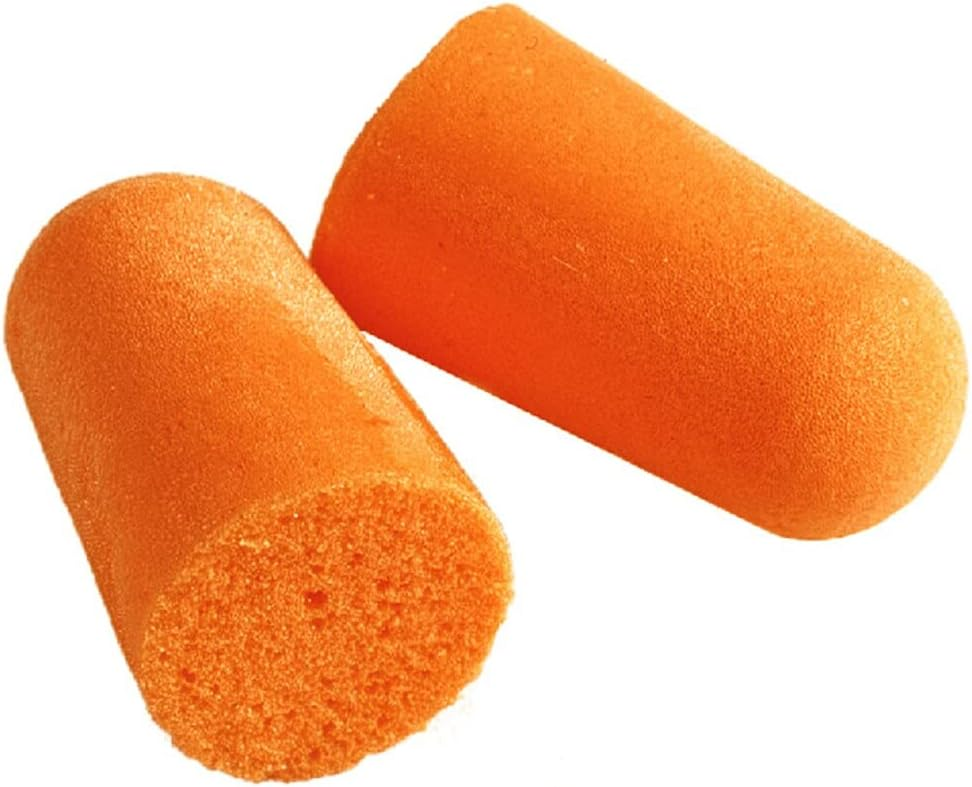
Price: $0.25-0.50 per pair (bulk packs)
NRR: 29-33 dB
Where to buy: Amazon | Pro Shop
The single most common option I observe at events. Cheap, reliable, high NRR, and zero chance of falling out when properly inserted. Multiple competitors keep a bag of foamies in their rifle grip or range bag as backup.
The standard 3M yellow foam plugs work. So do Howard Leight MAX and similar high-NRR options. Roll them tight, insert properly, let them expand. The technique matters more than the brand.
Because they’re so cheap, foamies make sense as a backup option even if you run something else as your primary. Losing a $0.25 foam plug is annoying. Losing a $300 earbud mid-stage is a problem. Always carry spares.
Best for: Budget-conscious competitors, backup ear pro, anyone who struggles with earbuds staying in.
Limitations: No sound amplification. You’ll miss quiet range commands and need to remove them for stage briefings or casual conversation.
Decibullz Custom Molded Earplugs
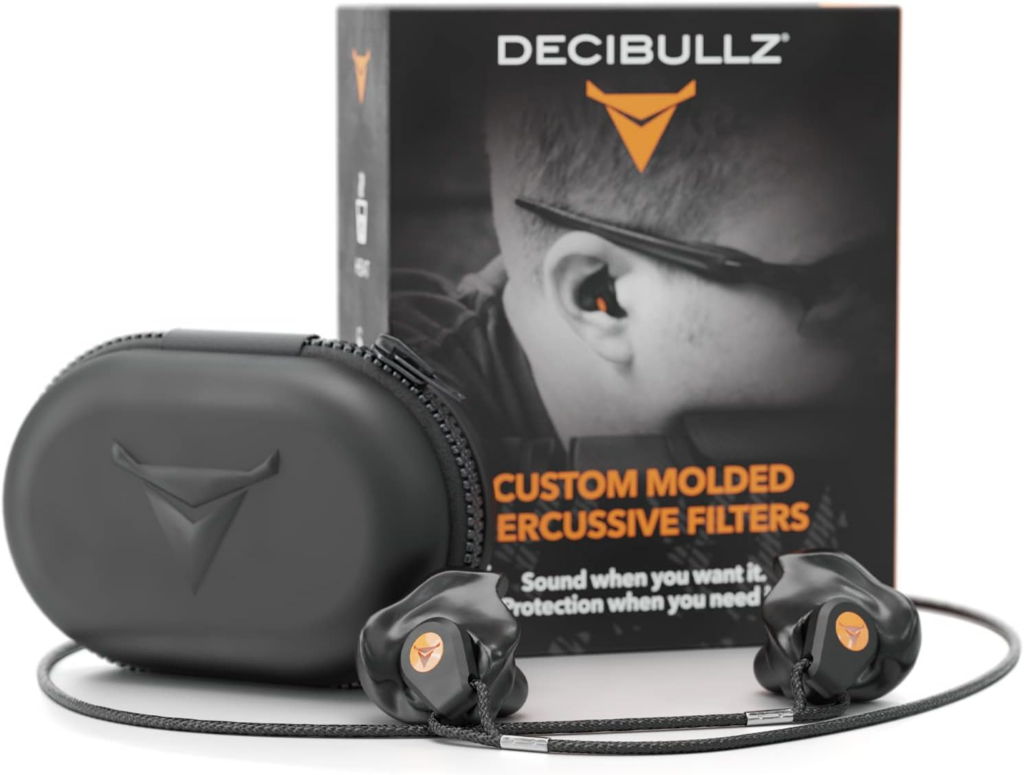
Price: $26-70 depending on model (Percussive filters vs. standard)
NRR: 31 dB (standard), variable with filters
Where to Buy (Percussive Filters): Amazon | Pro Shop
Where to Buy (Standard): Amazon | Pro Shop
Decibullz gets mentioned constantly in TTG discussions. The at-home moldable design creates a semi-custom fit without the audiologist visit. Heat them in water, shape them to your ear, and they retain that shape.
The Percussive Filter version allows some ambient sound through while still blocking harmful impulse noise. This addresses the main complaint about passive plugs: being able to hear voices and commands. From my experience, the passive filter actually works quite well for hearing range commands while still providing solid protection.
Multiple competitors run Decibullz and have foamies as backup. The custom fit means they stay in better than generic plugs, and the price point is accessible.
Note: Decibullz has sponsored The Tactical Games in the past. We also stock them in our Pro Shop at events because competitors keep asking for them.
Best for: Competitors who want better fit than foam plugs without spending $200+ on electronics.
Limitations: Some competitors find the molding process finicky. If not done right, they can be uncomfortable.
Surefire EP4/EP7 Sonic Defenders
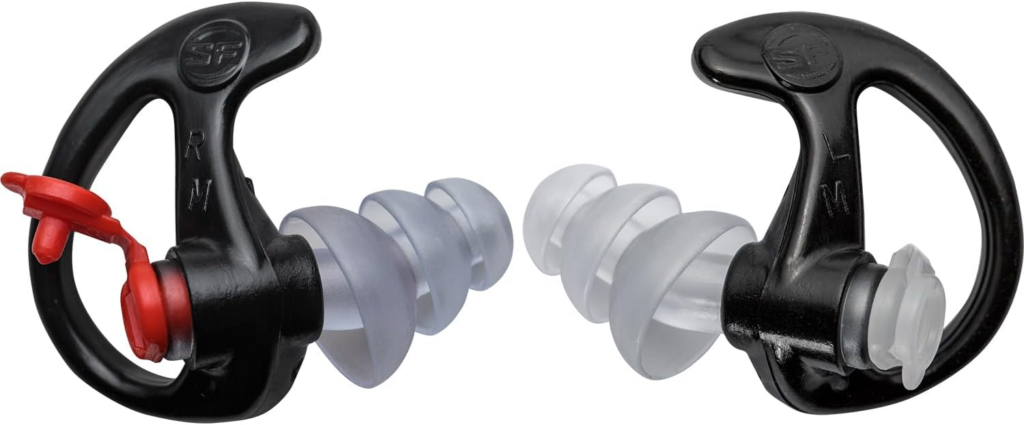
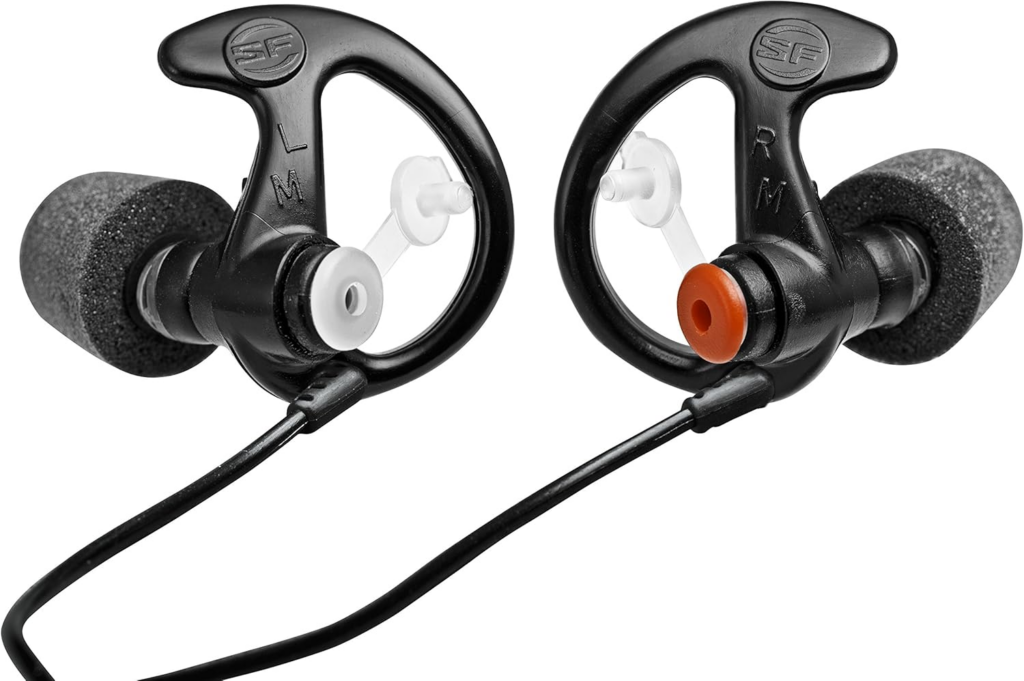
Price: $15-20
NRR: 24 dB EP4, 28dB EP7
Where to Buy: Amazon (Surefire EP4) | Amazon (Surefire EP7)
Surefire Sonic Defenders are a budget favorite for passive in-ear protection. The flanged design with optional filter caps gives flexibility between full passive mode and filtered pass-through.
The EP7 with foam tips gets specifically called out by competitors with smaller ear canals. Multiple competitors run these as their primary competition ear pro.
Best for: Budget-conscious competitors wanting better fit than basic foam.
Limitations: Passive only. Some find the filter insufficient for loud environments (I’m in that boat).
IsoTunes
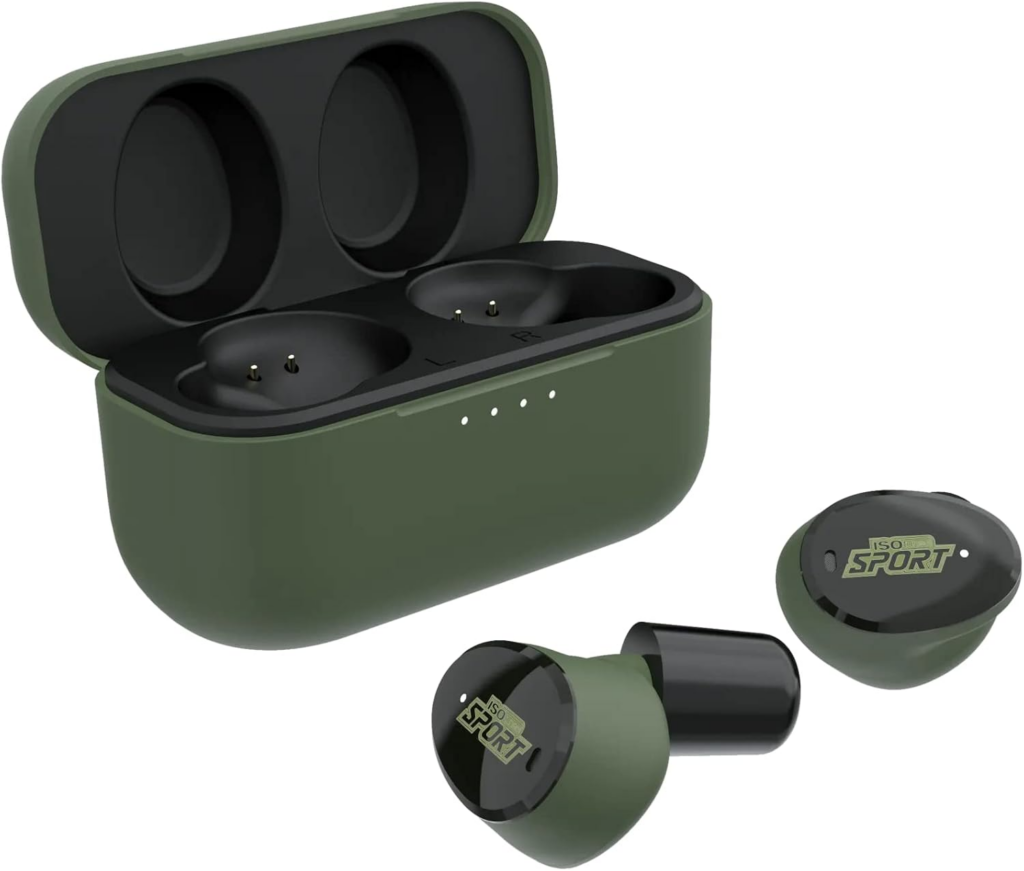
Price: $129-190 depending on model
NRR: 22-27 dB
Where to Buy: Amazon (Sport Caliber) | Amazon (Free Aware)
IsoTunes shows up frequently. The Pro Aware model is popular for its ambient sound pass-through and the magnetic cord that keeps them around your neck. The Sport Caliber is specifically marketed for gun range use and comes at a bit of a savings over the Pro Aware ($169 vs $199), you just lose their ‘Aware Technology’ (which is a feature probably not needed at the range).
Competitors like that they’re Bluetooth-capable for music during training and that the lanyard design makes losing one earbud less likely. The price point sits in the middle range for electronic options.
Mixed feedback on durability and how well they stay in during aggressive movement. Some swear by them; others had fit issues. I’ve found them to be a bit bulkier (outside the ear canal) than I’d prefer.
IsoTunes has sponsored The Tactical Games in the past. They’ve offered event discounts and fitting assistance at TTG events.
Best for: Competitors who want electronic with Bluetooth at a moderate price.
Limitations: Some competitors report fit issues. Not the highest NRR in the category.
Grizzly Ears
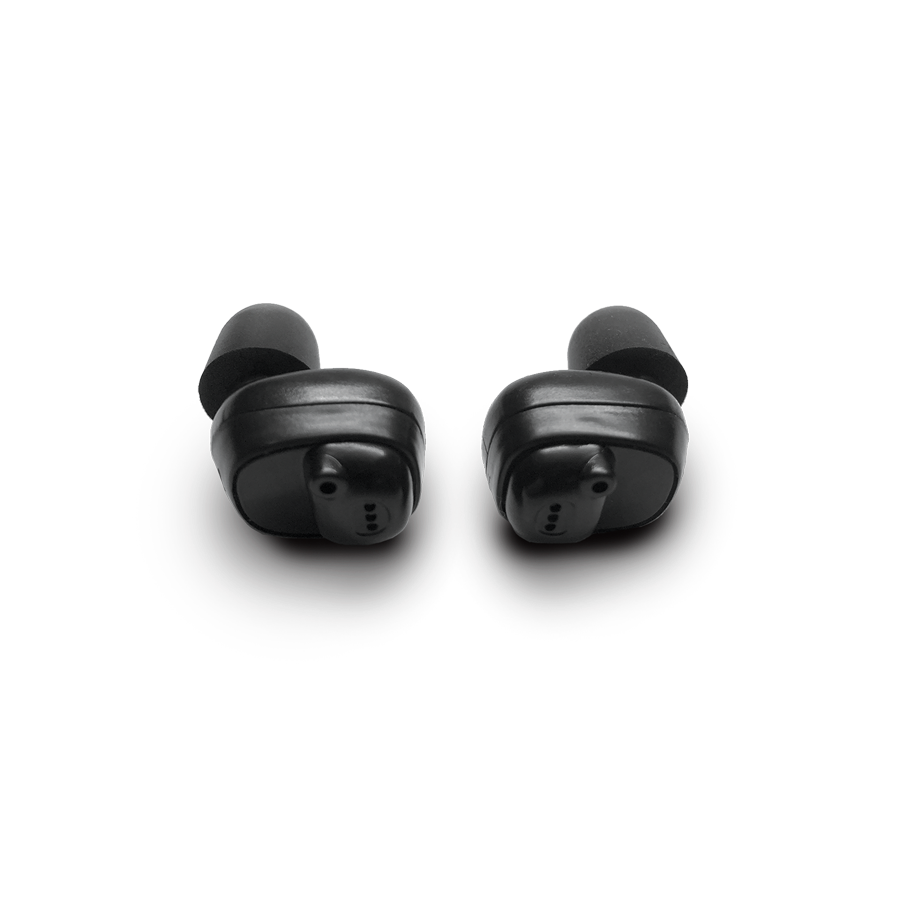
Price: $249
NRR: (Not advertised)
Where to Buy: Direct from Grizzly Ears
Grizzly Ears was an early sponsor of The Tactical Games, and a lot of competitors adopted them because of that exposure. They remain a relevant option with solid electronic enhancement.
The electronic amplification is appreciated for hearing range commands, but the in-ear design can add bulk that makes them susceptible to getting caught on gear. I learned this the hard way during a 50-yard sandbag shoulder-carry when the bag knocked one of my Grizzly Ears out. I thought I’d lost it completely, but it had fallen down my shirt collar. Luckily I had spare foamies in my pocket and was able to continue the course of fire. I didn’t find the lost Grizzly Ear until well after the stage ended.
This experience reinforced two things: always carry backup ear pro, and be aware that any in-ear option with some bulk can get dislodged during dynamic movement.
Best for: Competitors wanting electronic enhancement at a moderate price who’ve confirmed the fit works for their activities.
Limitations: Fit varies by individual. Bulk can cause issues during physical work with gear on shoulders. Even with the most recent updates, I still find wind noise to be a problem.
AXIL
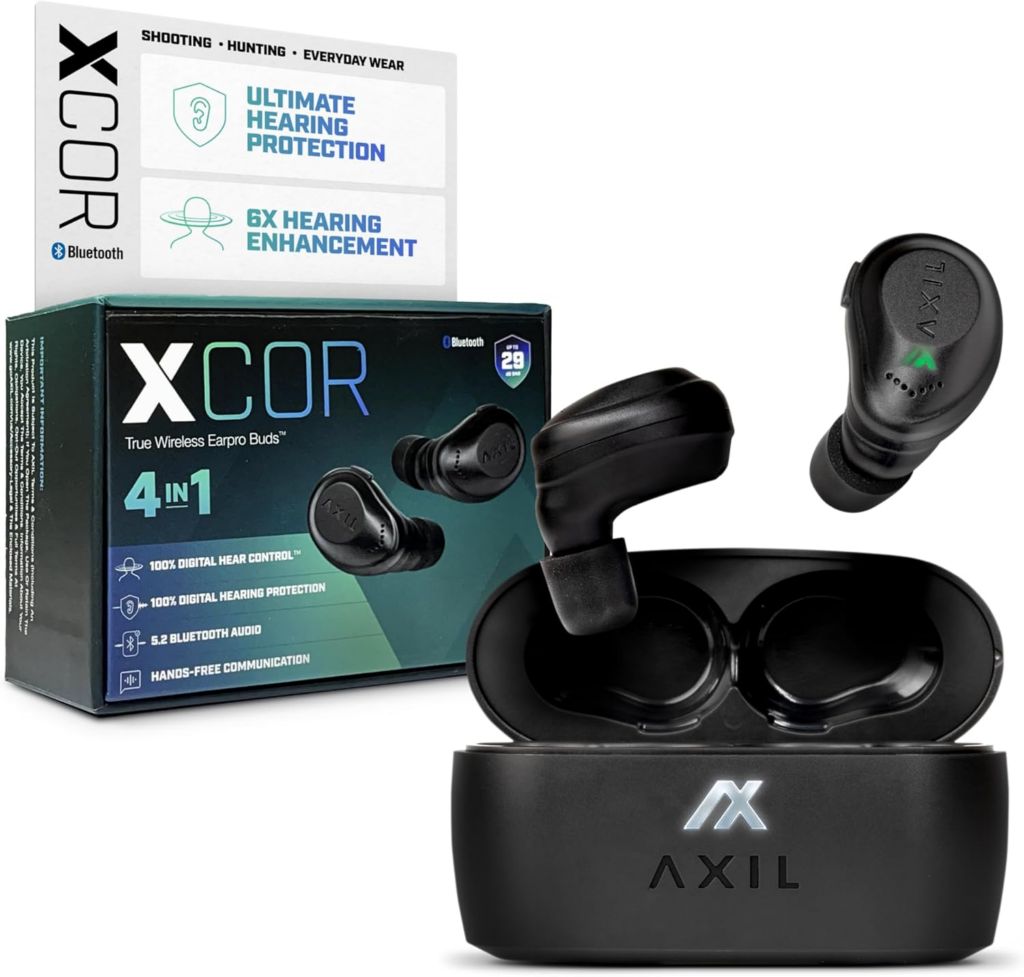
Price: $120-200 depending on model (XCOR, GS Extreme, etc.)
NRR: 22-29 dB
Where to Buy: Amazon (XCOR PRO) | Amazon (GS Extreme 3.0)
AXIL in-ear options get mentioned frequently, with feedback splitting into two camps: people who love them and people who had problems.
The positive feedback highlights good sound quality, comfortable fit with multiple tip options, and solid noise protection. Several competitors run AXIL as their primary competition ear pro.
The negative feedback focuses on fit problems (they fall out for some ear shapes), the wire on the GS Extremes getting caught on plate carriers, and Bluetooth connection issues. One competitor noted they “keep linking to your phone” when stored in the case.
The XCOR and GS Extreme models are most commonly mentioned. The wireless models address the cord-snagging issue but add the risk of losing individual earbuds.
Best for: Competitors who’ve confirmed the fit works for their ear shape.
Limitations: Fit varies significantly by individual. Check their return policy.
Walker’s Silencer 2.0
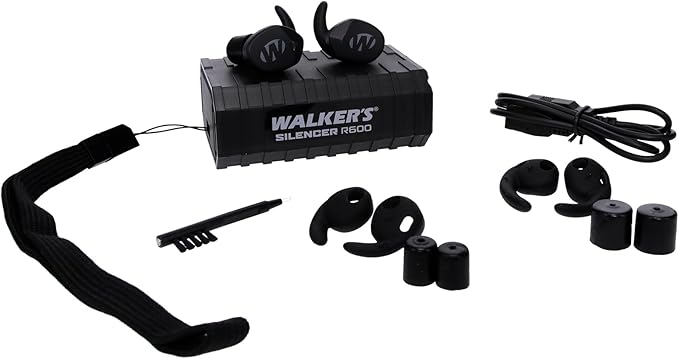
Price: $200
NRR: 24 dB
Where to Buy: Amazon
Walker’s in-ear electronic option gets solid reviews for comfort and value. The rechargeable case design is convenient, and several competitors mentioned forgetting they had them in because they’re comfortable.
Battery life gets mixed reviews. Some competitors report cutting out mid-event. Wind noise can be an issue outdoors.
The Walker’s Silencer 2.0 hits a good price-to-performance ratio for competitors who want electronic without spending $400+.
Best for: Budget-conscious competitors who want electronic in-ear.
Limitations: Battery life concerns. Wind noise on high settings.
3M Peltor EEP-100
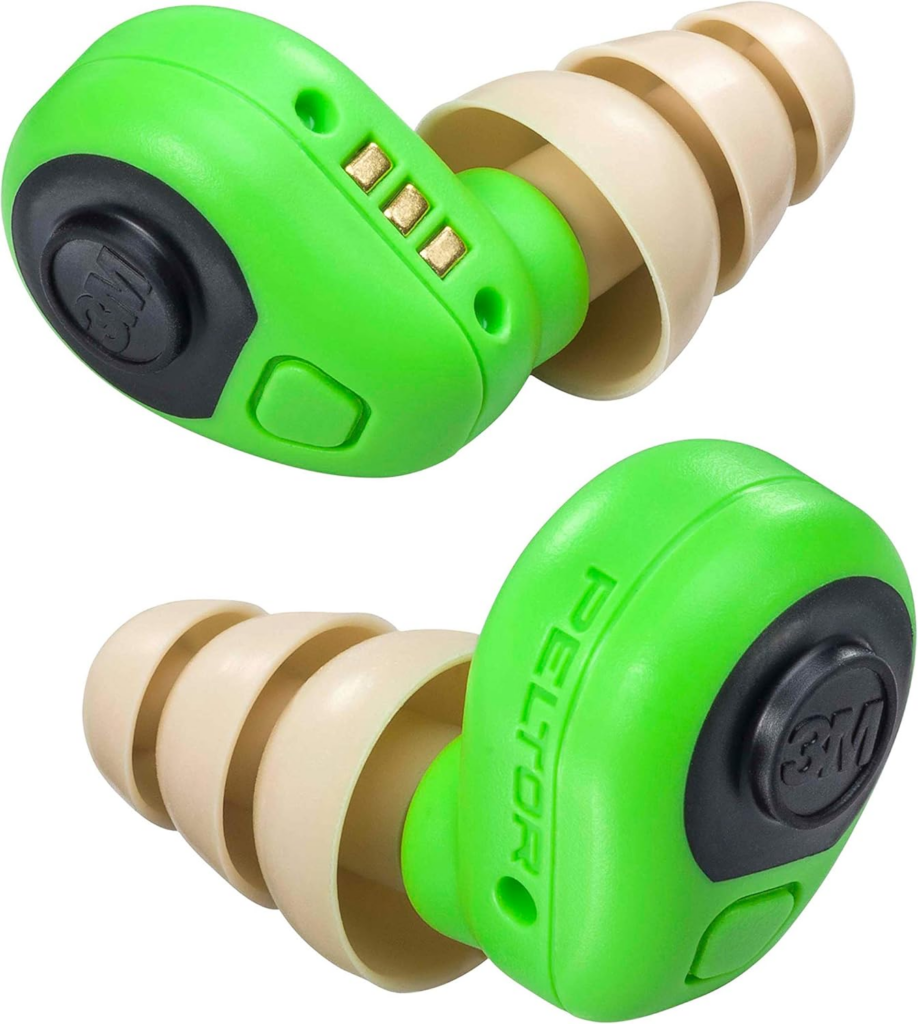
Price: $250
NRR: 22 dB
Where to Buy: Amazon
The Peltor TEP-100/EEP-100 gets consistent praise from competitors across disciplines. Build quality is solid, sound reproduction is clean, and they stay in well.
The slightly higher price compared to Walker’s or IsoTunes buys better durability and sound quality based on competitor feedback.
Best for: Competitors wanting reliable electronic in-ear at a mid-premium price.
Limitations: Price is higher than budget electronics.
Otto NoizeBarrier
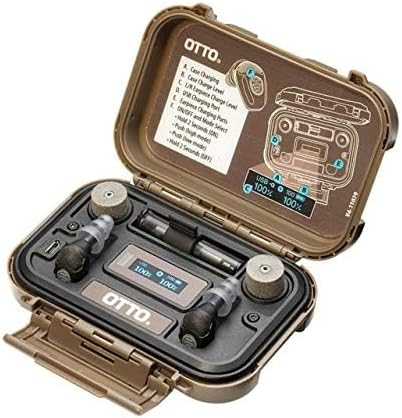
Price: $400-500
NRR: 22 dB
Where to Buy: Amazon
Otto NoizeBarrier Micro earbuds get recommended by competitors willing to spend more for quality. The feedback consistently highlights excellent sound quality, reliable fit, and solid battery life.
Several competitors pair them with Comply foam tips or 3M Skull Screws for better seal and retention during movement. This combination addresses the fit concerns some have with the stock tips.
The main complaint: no Bluetooth. If you want music during training, you’ll need a separate solution. For pure competition use, that’s not an issue.
Best for: Competitors prioritizing sound quality and willing to invest.
Limitations: Price. No Bluetooth.
Custom-Molded Options (Audiologist)
Price: $150-300+ (non-electronic), $1,000-2,100 (electronic)
Several competitors get custom ear molds from audiologists or companies like ESP, SoundGear, Westone, or PremEar. The fit is perfect because they’re molded to your specific ear canal.
For electronic versions, SoundGear Phantom ($1,600) gets mentioned as a high-end option that eliminates fit problems entirely. ESP Stealth ($2,100) is another premium choice.
Competitors running customs universally praise the comfort and seal. The investment makes sense if you compete frequently and ear pro fit has been a persistent problem.
Some insurance plans cover hearing protection as preventive care. Check your HSA/FSA eligibility before dismissing the price.
Best for: Serious competitors with fit problems or those wanting ultimate comfort.
Limitations: Cost. Requires audiologist visit for impressions.
Quick Reference: Ear Protection Comparison
| Product | Type | Price | NRR | Best For |
|---|---|---|---|---|
| 3M Foam Plugs | Passive | $0.25 | 29-33 dB | Budget, backup |
| Surefire EP4/EP7 | Passive | $15-20 | 24 dB | Budget in-ear passive |
| Decibullz | Passive/Filter | $26-70 | 31 dB | Semi-custom passive |
| Grizzly Ears | Electronic | $80-150 | ?? dB | Mid-range electronic |
| IsoTunes Pro Aware | Electronic | $100-160 | 26 dB | Bluetooth, mid-range |
| Walker’s Silencer 2.0 | Electronic | $120-150 | 24 dB | Budget electronic |
| AXIL XCOR | Electronic | $200-300 | 25 dB | Quality electronic |
| Peltor EEP-100 | Electronic | $200-250 | 22 dB | Reliable electronic |
| Otto NoizeBarrier | Electronic | $400-500 | 22 dB | Premium electronic |
| SoundGear Phantom | Electronic Custom | $1,600 | 25 dB | Premium custom fit |
My Personal Setup
After testing various combinations, my go-to solution is foamies or Decibullz in-ear paired with MSA Sordins over-ear with the electronic volume cranked up.
This approach offers several advantages:
Increased protection. Your ears can still be damaged by sound traveling externally through your skull. Doubling up with plugs and muffs addresses both pathways.
Built-in redundancy. If I need to shed the muffs for physical work or they get knocked off, I still have in-ear protection in place.
Situational awareness. With the Sordins’ electronic amplification turned up, I can still hear range commands clearly even with plugs underneath.
For the shooting-heavy single-shooter stage, this combo provides maximum protection when I’m standing still and focused purely on shooting. For the concurrent-shooter stages with physical work, I’ll often run just the in-ear option and stow the muffs.
It’s not the cheapest approach, but it’s the most versatile for the varied demands of a TTG weekend.
Bottom Line Recommendations
Budget pick: 3M foam plugs plus Surefire EP4 for options. Total investment under $25. This combination works for most competitors.
Best value passive: Decibullz with Percussive Filters at $70. The custom-molded fit and effective passive filtering make these hard to beat for competitors who don’t want to deal with batteries and electronics. Don’t overlook this option.
Best value electronic: Walker’s Silencer 2.0 or IsoTunes Pro Aware. Both offer electronic features at reasonable prices. Try both if possible since fit varies.
Mid-range pick: Peltor EEP-100, Grizzly Ears, or AXIL XCOR. Better build quality and sound than budget options.
Premium pick: Otto NoizeBarrier Micro with Comply tips. Excellent sound quality and reliability.
Money-is-no-object: Custom-molded electronic from SoundGear Phantom or ESP. Perfect fit, all-day comfort, competition-grade performance.
Universal advice: Whatever you choose, bring backup ear pro to every event. Foam plugs cost almost nothing and fit in any pocket. A $0.50 foam plug in your cargo pocket beats nothing when your $300 earbuds die mid-match or get knocked out during a sandbag carry.
Protecting Your Hearing Long-Term
Hearing damage is cumulative and permanent. The ringing you hear after a loud stage doesn’t go away on its own. It stays forever once the damage is done.
TTG competitors shoot thousands of rounds per year. Even without muzzle brakes, that exposure adds up. Take hearing protection seriously. Use it consistently. Don’t skip it because you’re “only shooting a few rounds.”
Your hearing in 20 years depends on what you do now.