
The Tactical Games (TTG) lives at the crossroads of high-level fitness and precision shooting. It is one of the few competitive environments where strength, conditioning, marksmanship, gear setup, and decision-making are all tested simultaneously—and under fatigue. Weaknesses are exposed quickly, and preparation is rewarded just as fast.
I was first introduced to The Tactical Games in 2021 by one of my closest friends, Adam Scepaniak. He knew immediately it would be a good fit. I’ve always enjoyed both fitness and shooting, and TTG combines those two worlds in a way that no other competitive format truly does. At the time, however, I wasn’t able to commit to competing. Between CrossFit competitions, equipment requirements, and life logistics, it took several years before everything aligned.
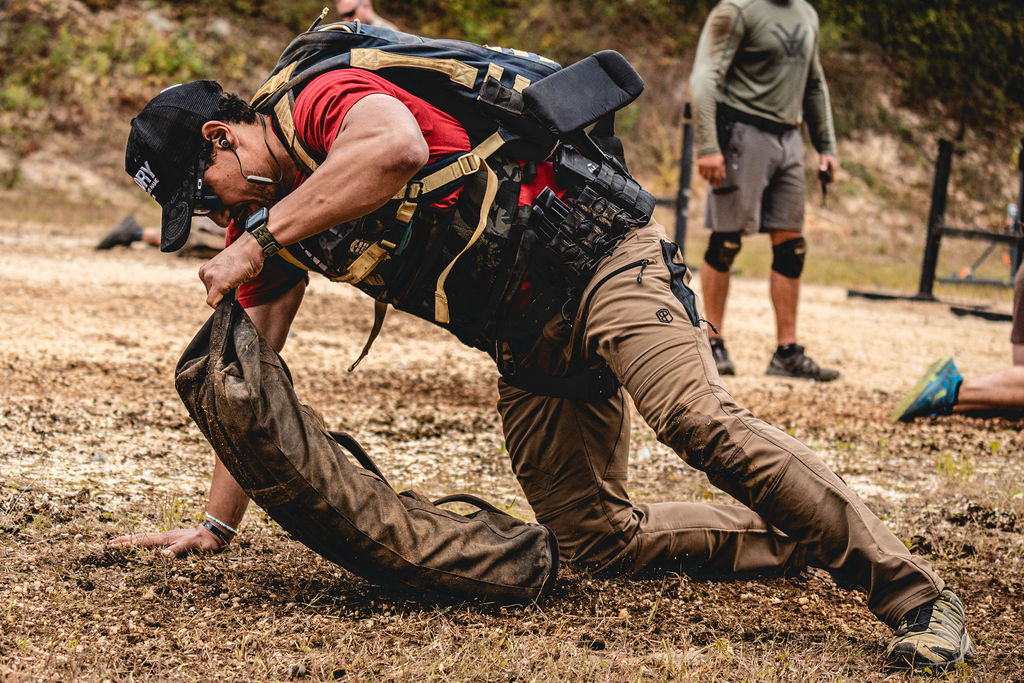
Prior to the 2025 season, I was able to compete in a Tactical Games Scrimmage. That experience hooked me even more. The stage design, the pacing, and the way shooting accuracy is punished when fatigue sets in confirmed what many competitors already know: Tactical Games is its own sport. It is not CrossFit with guns, and it is not a shooting match with some cardio sprinkled in.
The 2025 season marked my first full year of Tactical Games competition. This article is a detailed breakdown of what worked, what didn’t, and—most importantly—how those lessons reshaped my entire training, shooting, and gear strategy for the 2026 season.
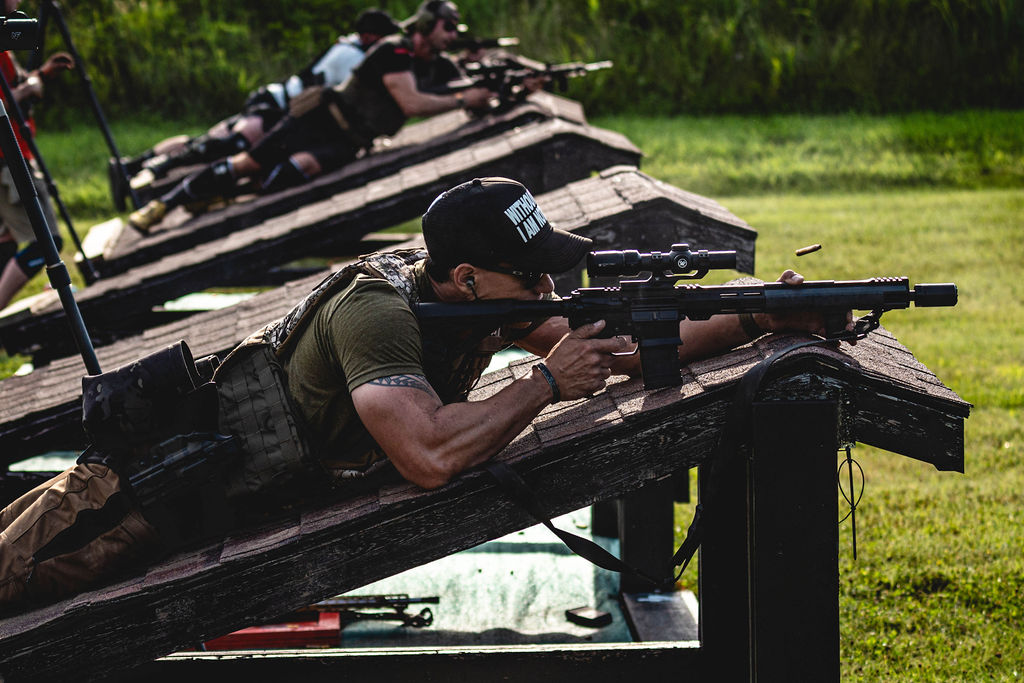
Coming into the 2025 season, I considered myself a brand-new Tactical Games competitor, even though my background suggested otherwise. Before TTG, I had:
On paper, those experiences check a lot of boxes. In reality, the Tactical Games competition exposed a critical truth very quickly:
You cannot out-fitness your misses.
Fitness creates opportunity. Shooting execution determines placement.
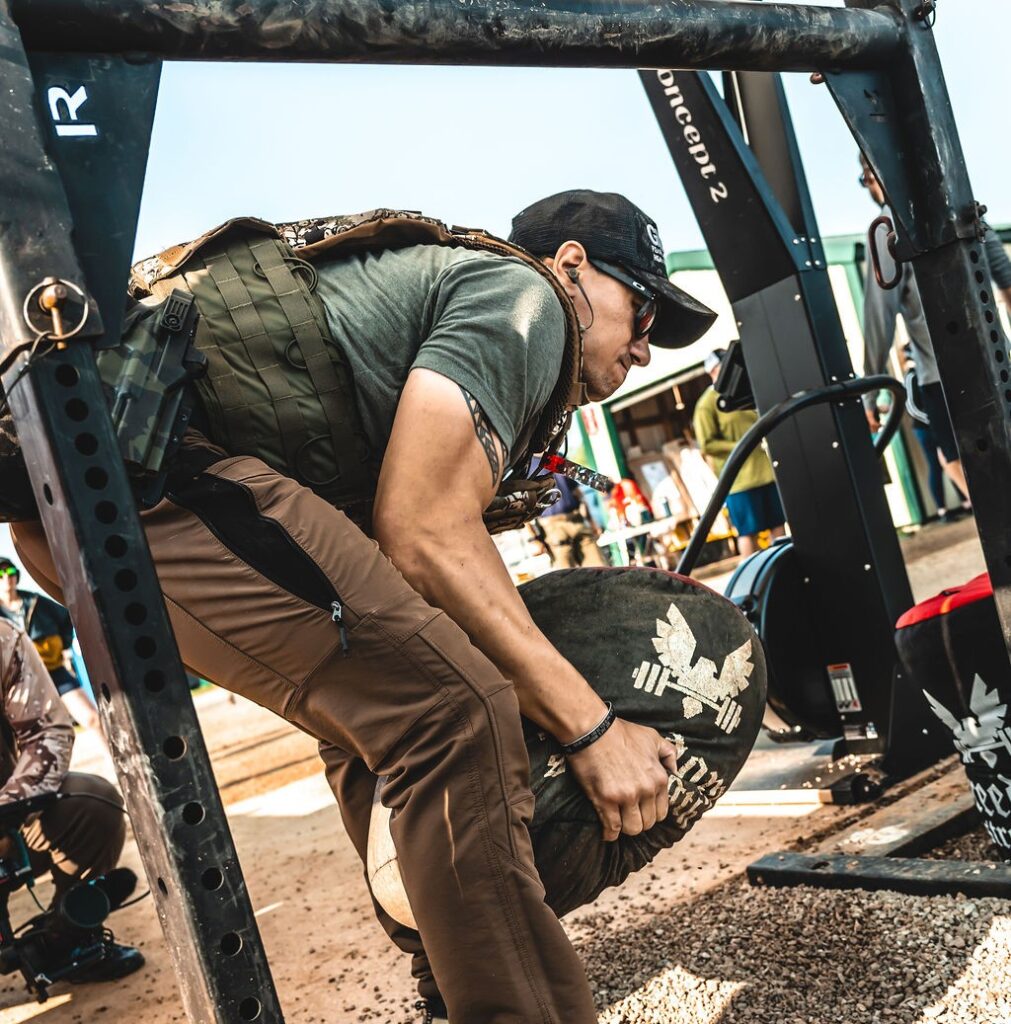
For the 2025 season, I shifted my training away from traditional CrossFit programming and into Tactical Games–specific preparation. With a background in strength and conditioning coaching, I understood early on that specificity matters. If the goal was to be competitive—and eventually make a legitimate run at Nationals—then the training had to reflect the exact physical demands of the sport.
Tactical Games fitness is not about peak one-time output. It is about repeatable output under load, often with incomplete recovery. Athletes are asked to sprint, carry, push, pull, and grind through odd objects, then immediately transition into precise shooting tasks. That combination exposes gaps that traditional fitness competitions do not.
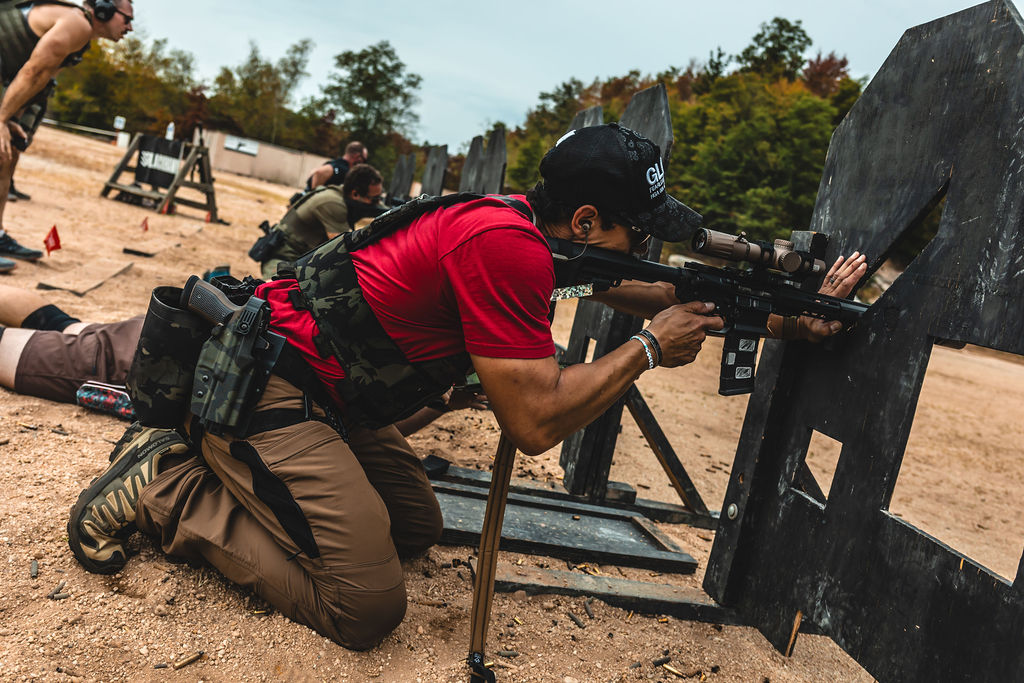
I chose TTG Complete, the official Tactical Games training program, because it directly addresses those demands. The program includes structured strength and conditioning, dry-fire integration, and mobility work, all designed around TTG stage realities rather than generic fitness benchmarks.
Training volume averaged five days per week. The programming allowed me to maintain my existing strength while adapting to:
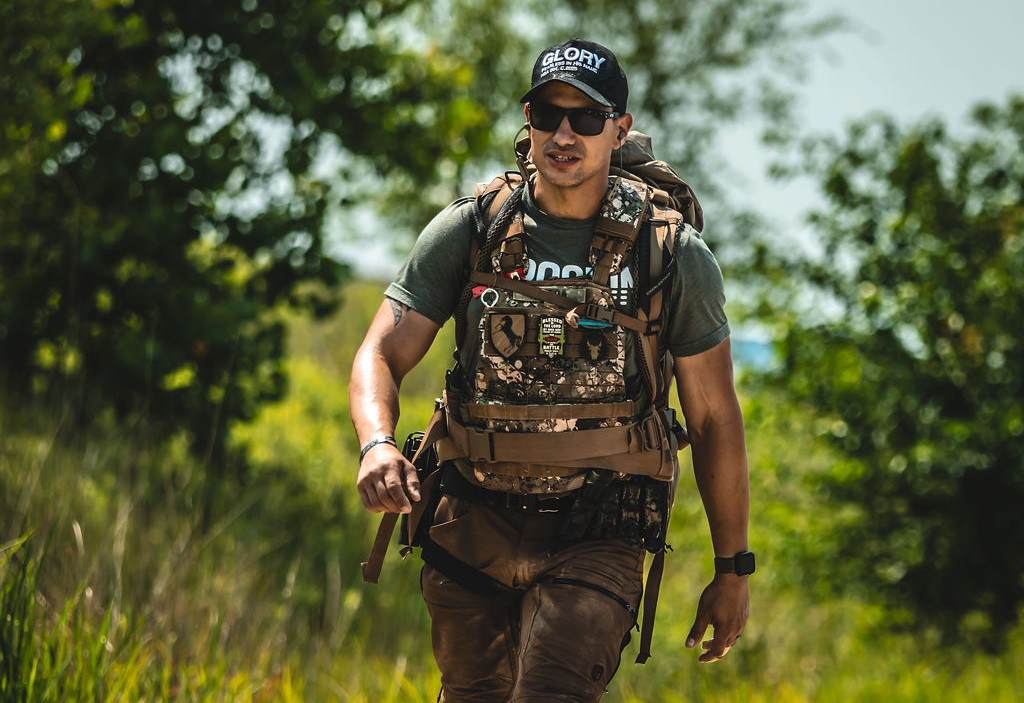
From a fitness standpoint, the program delivered exactly what it promised. My conditioning held up extremely well throughout the season. In fact, I often joked that Tactical Games competitions left me not sore compared to CrossFit competitions. During CrossFit events, my body was consistently wrecked. During TTG events, I recovered quickly—even after two full days of competition.
That said, the 2025 season reinforced a critical lesson that many new competitors learn the hard way: elite fitness cannot compensate for inefficient shooting or poor stage execution.
Living in South Dakota presents unique challenges for firearm training, particularly during the winter months. Cold weather, snow, and limited daylight reduce access to outdoor ranges for a significant portion of the year. Going into the 2025 season, this reality shaped how much live fire I was able to get.
During winter months, dry fire averaged just one session per week. While better than nothing, it was not nearly enough volume to build or maintain pistol consistency. Once the weather improved, I increased live-fire sessions to one or two days per week.
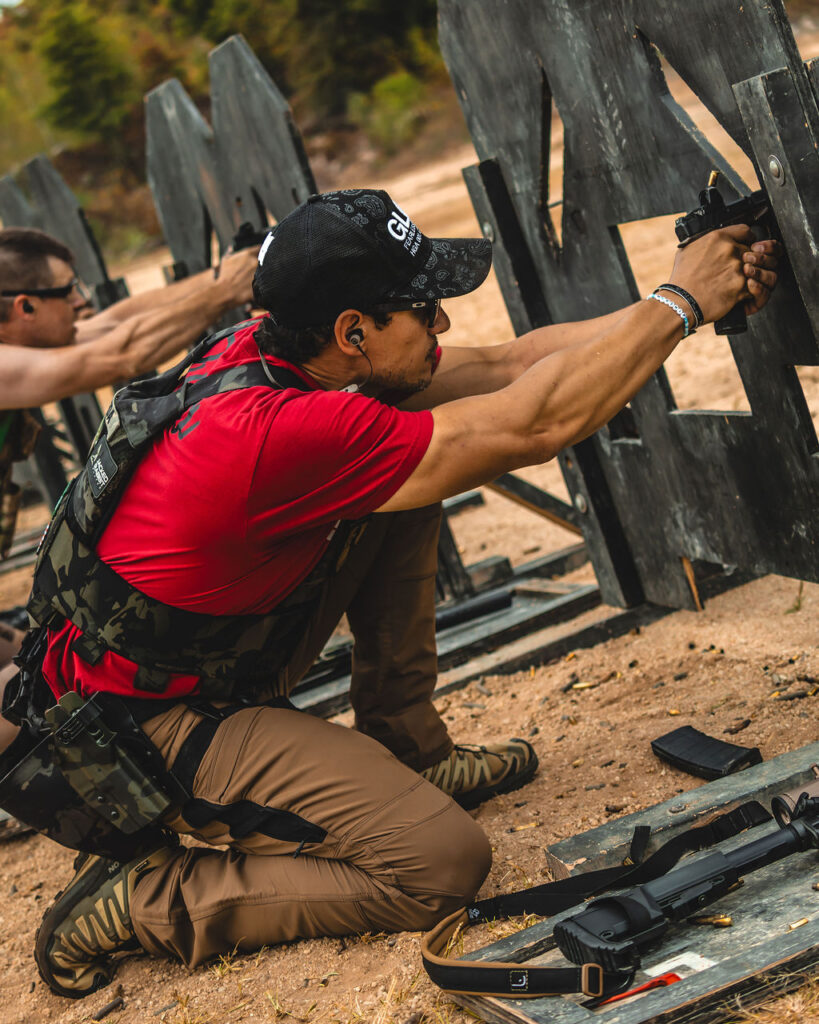
Those sessions typically included:
While drills such as Bill Drills and transition-focused exercises were part of the mix, many range sessions lacked clear structure. Too often, training was “free-flowing” instead of being built around specific goals, metrics, or stage-relevant skills.
This lack of structure showed up clearly in competition. Rifle stages were consistently strong. Pistol stages were not.
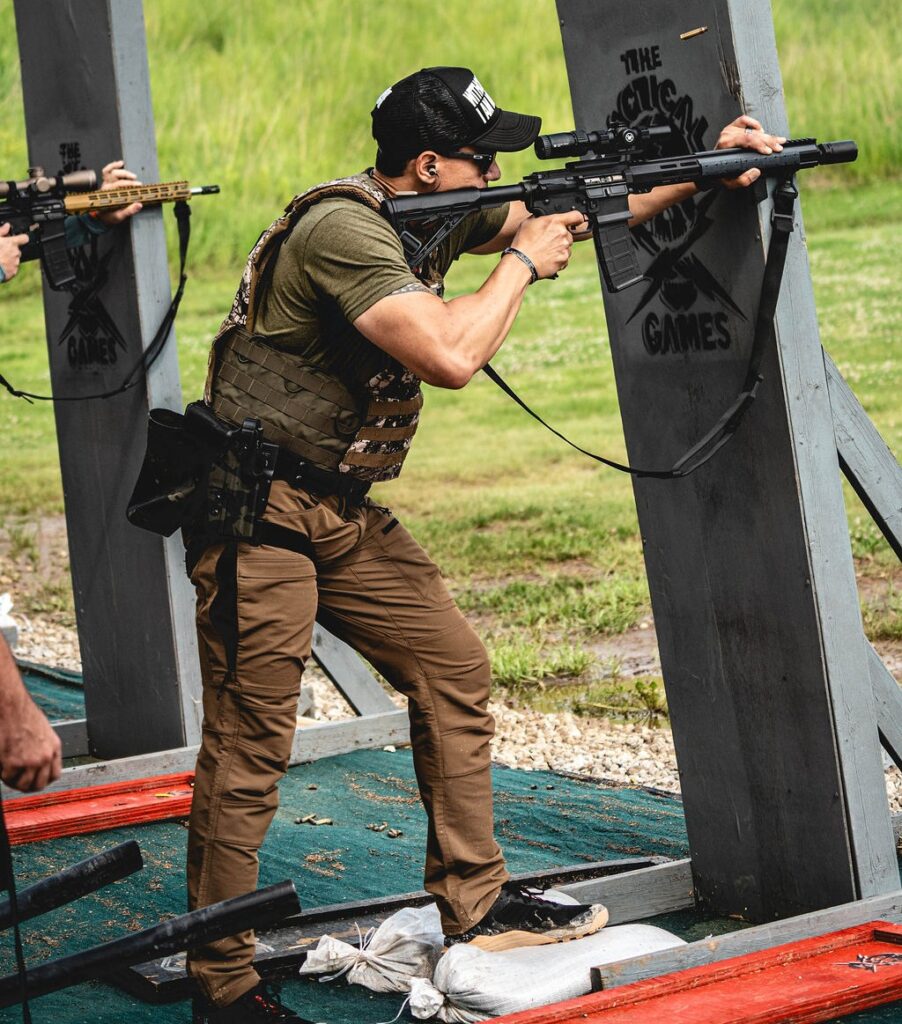
One of the most beneficial training tools leading into my regional events was competing in TTG Skrimishes. These provided a lower-pressure environment while still offering:
The skirmish highlighted a clear imbalance in my skill set. Rifle proficiency carried stages and kept me competitive, while pistol execution cost points, time, and placement in my skill set: rifle proficiency carried stages. Pistol execution cost points.
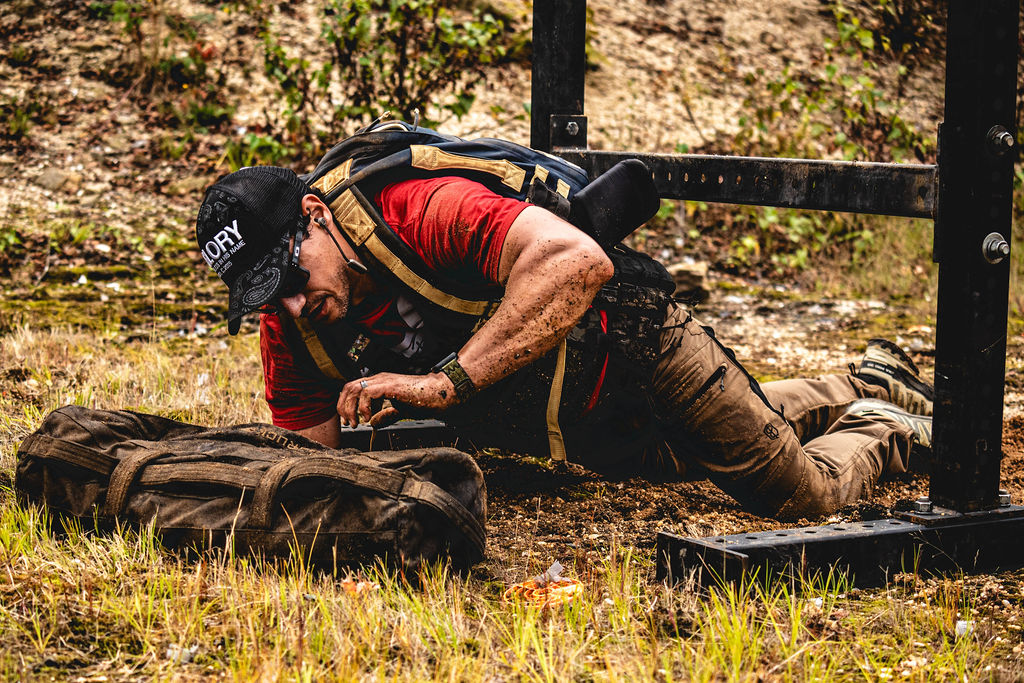
Pistol, Rifle, and Loadout
For the 2025 season, I ran the following primary setup:
The Esstac KYWI rifle pouches performed exceptionally well. Retention was solid, even during aggressive movement.
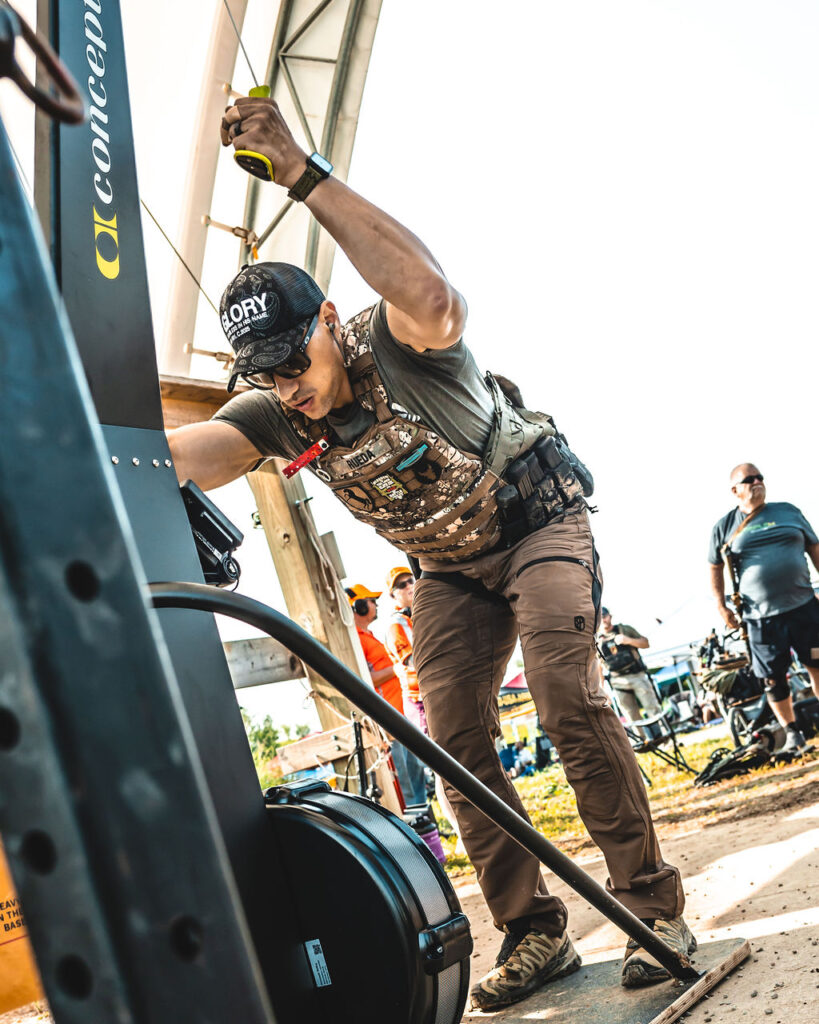
The High-Speed Gear TACO pistol pouches, however, became a liability. During the Ohio Regional Event, I lost a magazine mid-stage. Even after tightening the retention straps, magazines would shift or nearly eject during bending, sprinting, and object carries.t or nearly eject during bending, sprinting, and object carries.
If you are curious or looking to opmtize your rifle for the Tactical Games feel free to check out our Optimizing Your Rifle Setup for The Tactical Games: 2025 Guide article.
The Jack Rabbit plates were one of the standout pieces of gear for the season. Their flexibility allowed them to move with the body instead of against it—a significant advantage during dynamic stages. They made a noticeable difference compared to traditional hard plates.
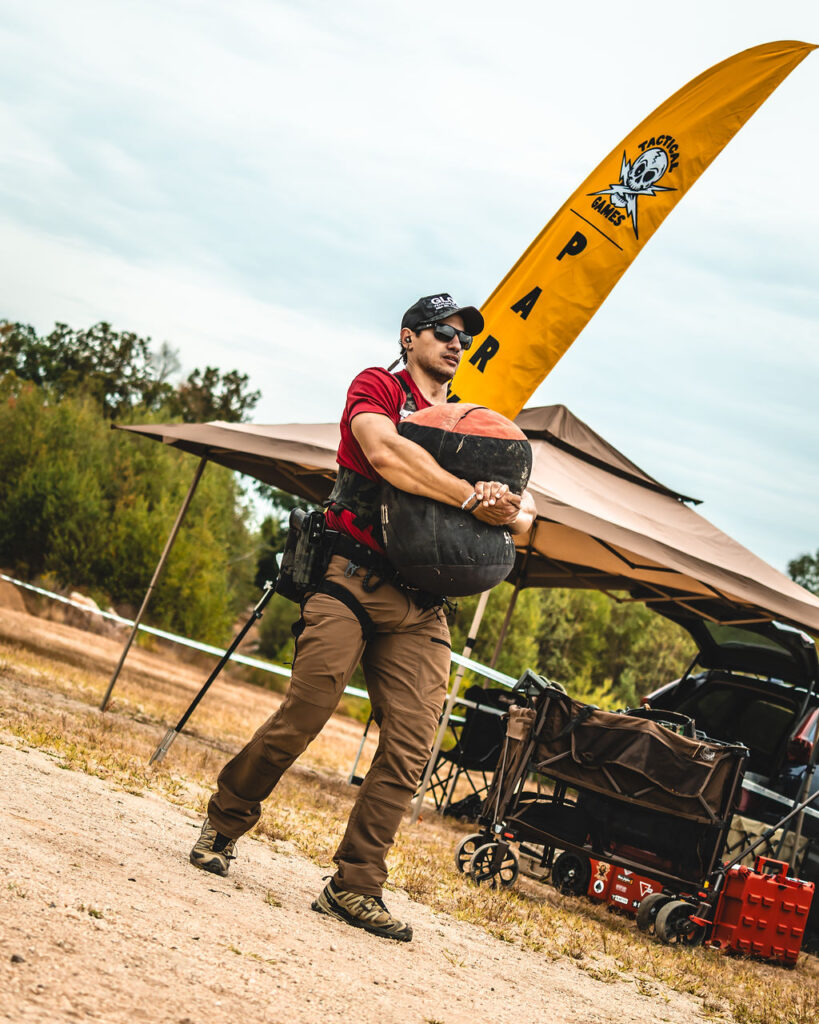
The 5.11 plate carrier itself, however, was bulky and restrictive. The cut and limited adjustability interfered with movement, especially during sandbag carries and awkward transitions.
Both shoe options performed well throughout the season.
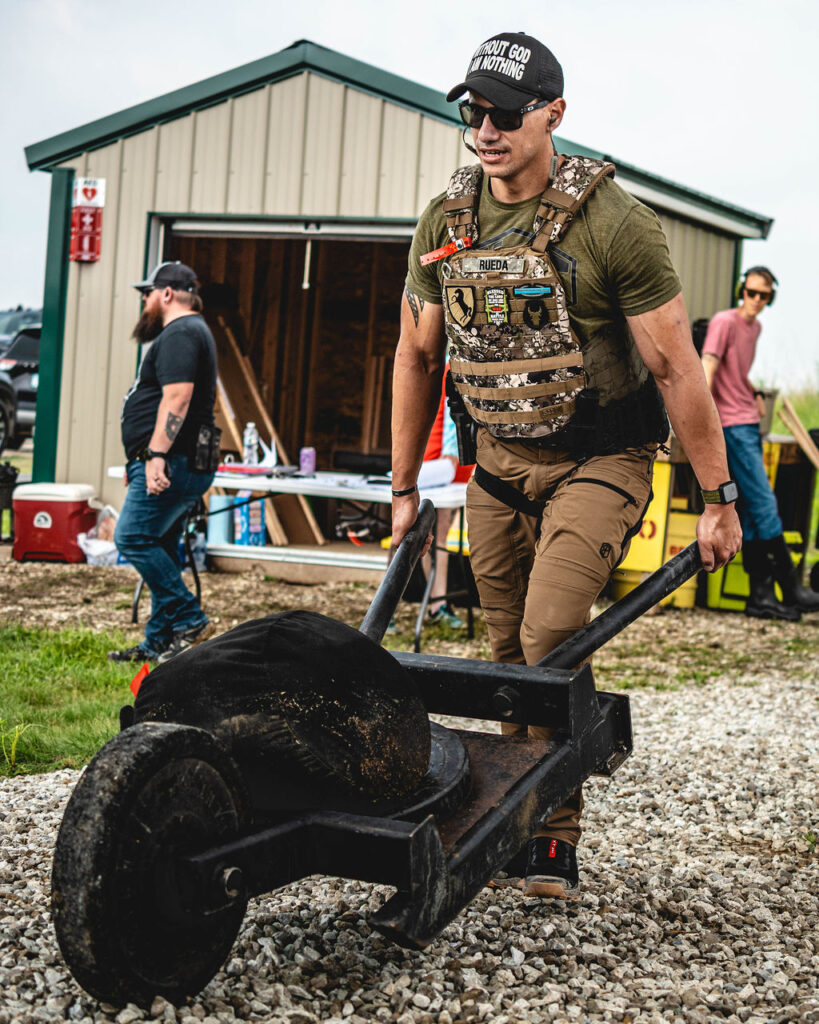
The Vortex Strike Eagle provided adequate magnification, but a ring issue caused me to lose zero during the Iowa event. That resulted in dropped shots and significant time lost on a long-range stage.
The DeltaPoint Pro experienced fogging and dot washout when shooting into direct sunlight—enough to raise confidence concerns.
For ammunition, I ran:
Both loads were reliable and accurate, allowing consistent hits from 50 yards with the pistol and out to 500 yards with the rifle.
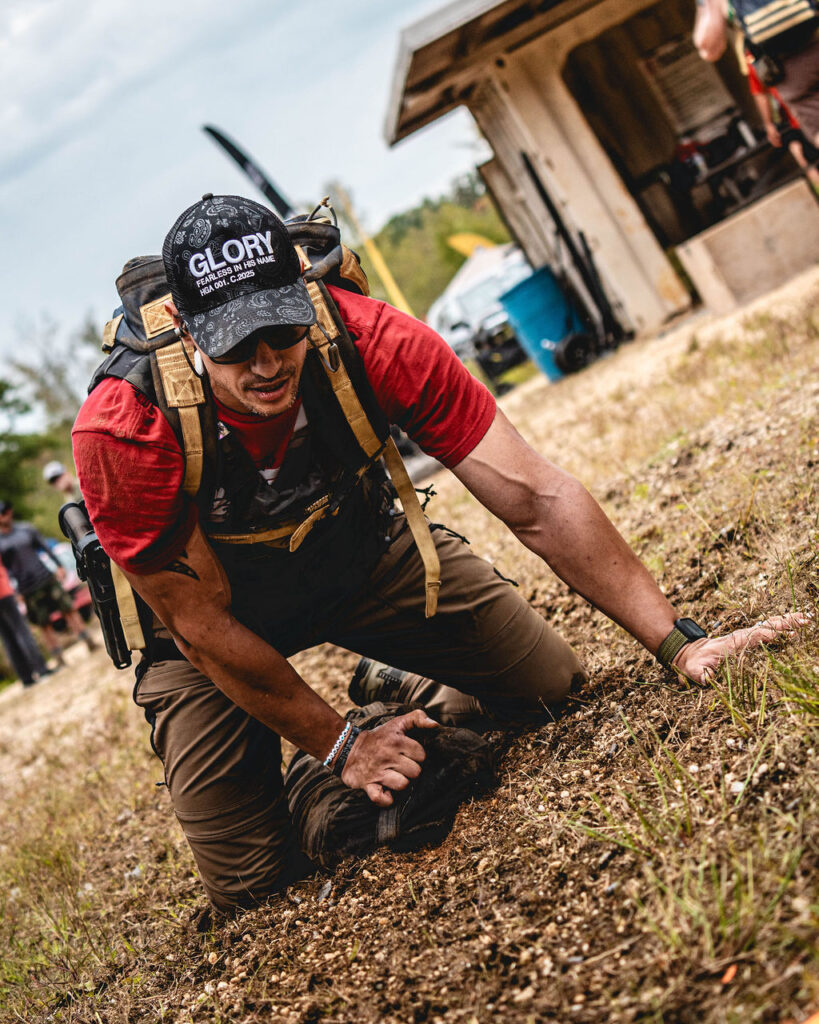
One of the most consistent advantages I carried into every competition was structured preparation and recovery.
Before every stage—yes, even shooting-only stages—I performed warm-ups tailored to the task ahead. Cold starts may be common in shooting culture, but they do not set athletes up for success.
Throughout the season, I prioritized:
Electrolytes were used strategically, with LMNT mixed in moderation. Overuse can hurt performance just as much as dehydration.
These practices allowed me to push hard during physical stages and recover quickly afterward—something I believe gave me a competitive edge.
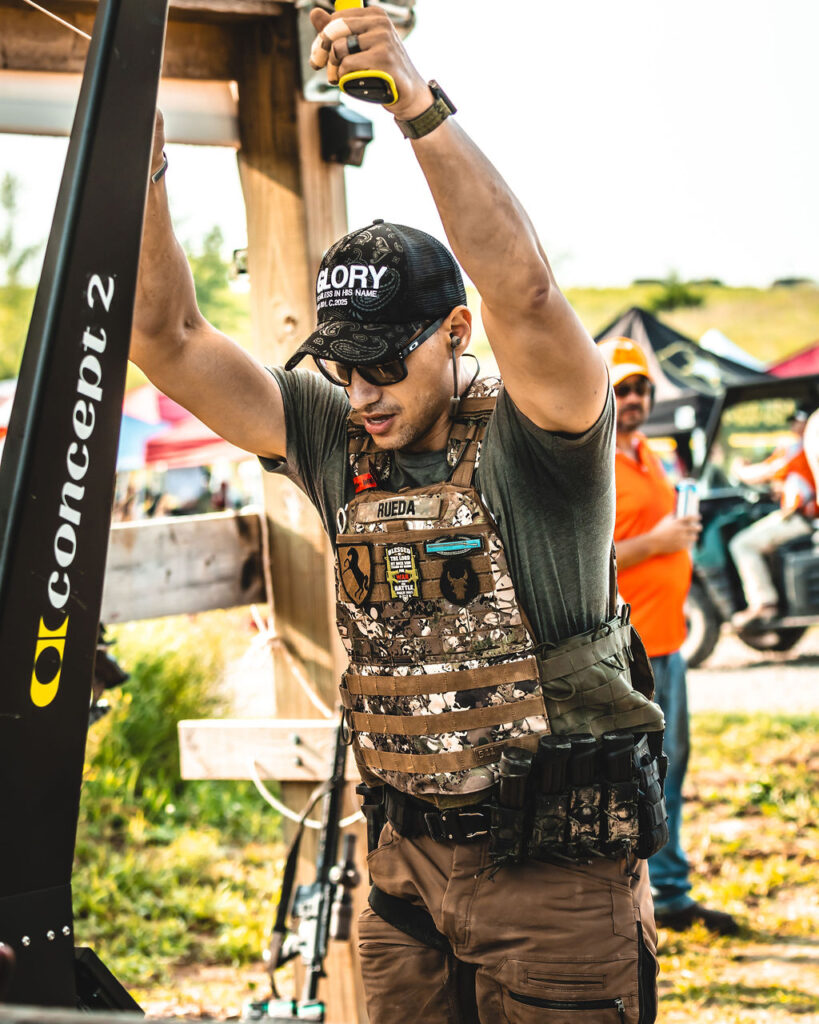
For the 2026 season, the foundation remains TTG Complete programming, but with targeted adjustments based directly on lessons learned in 2025.
Rather than simply training harder, the emphasis is now on training smarter. Key adjustments include:
Zone 2 work, in particular, has become a priority. Slower-paced aerobic training improves the body’s ability to recover between efforts, allowing heart rate to come down faster and preserving shooting precision later in the day.
Recovery is now programmed—not reactive. Deload weeks are respected, intensity is managed intentionally, and heart-rate–guided recovery is used to determine when to push and when to back off.
This approach is especially important as a Masters athlete. Recovery capacity changes with age, and ignoring that reality leads to inconsistent training and unnecessary injury risk.
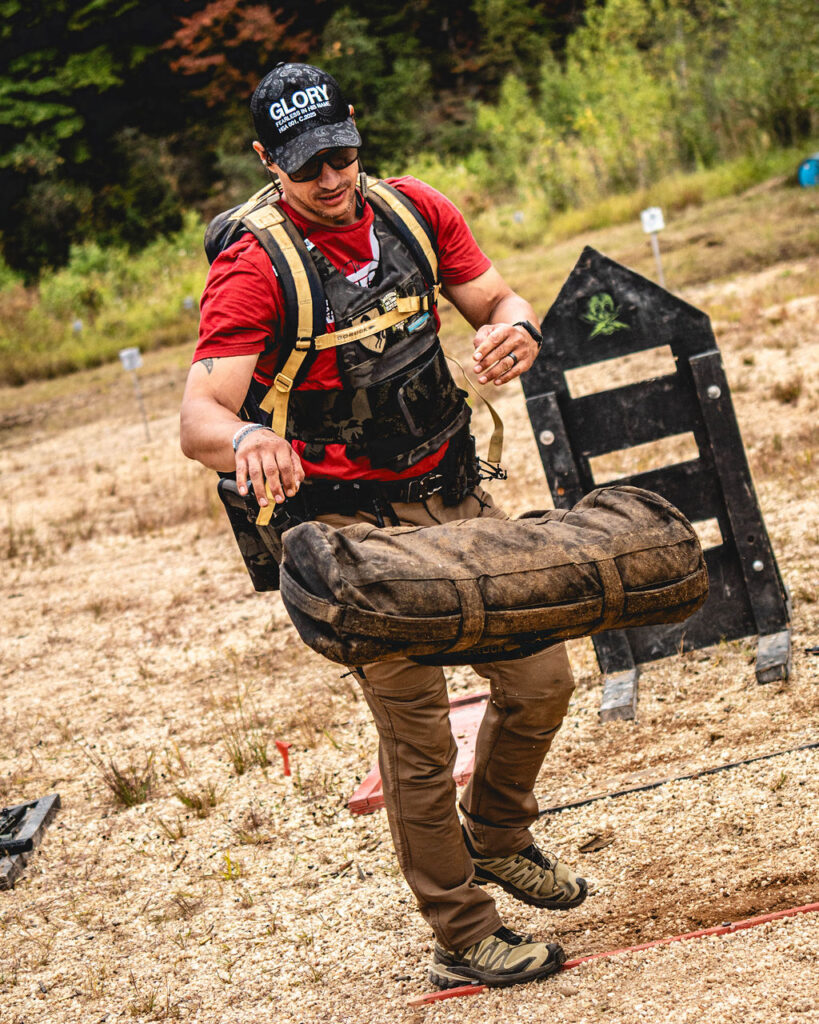
One dry-fire session per week was a major mistake in 2025.
For 2026, dry fire has been increased to five or six sessions per week, following TTG’s structured dry-fire programming. Sessions include:
Dry fire is now treated as mandatory skill development—not optional practice.
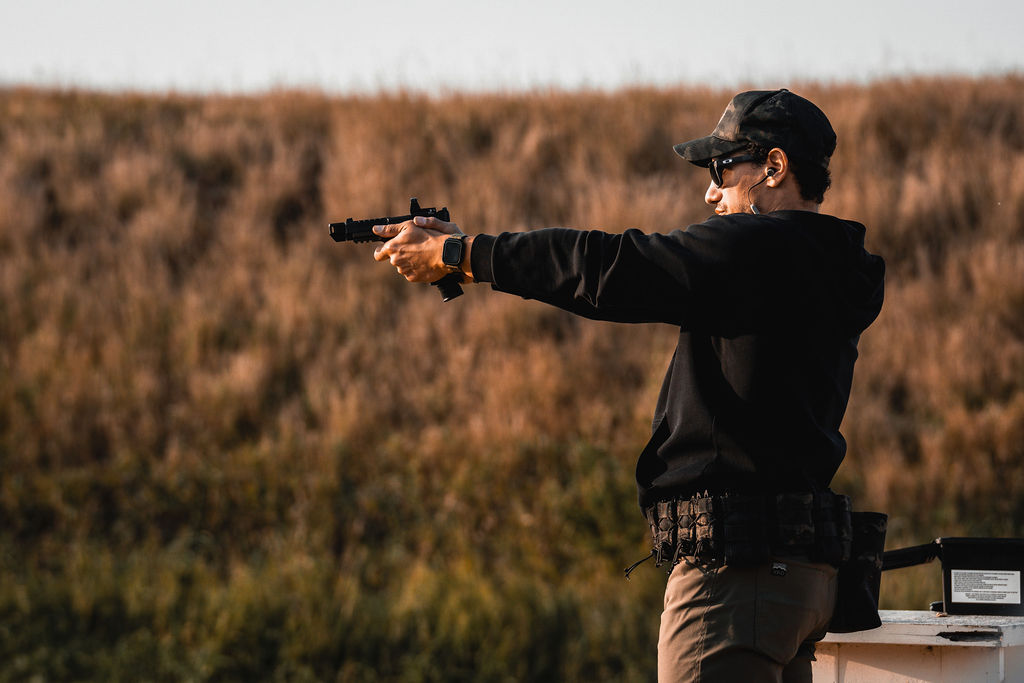
During the 2025 season, advice from top competitors was consistent: shoot USPSA.
USPSA competition develops:
Despite Midwest winters, indoor USPSA matches in Fargo, North Dakota, provided critical competitive reps and kept pistol skills sharp during the off-season.
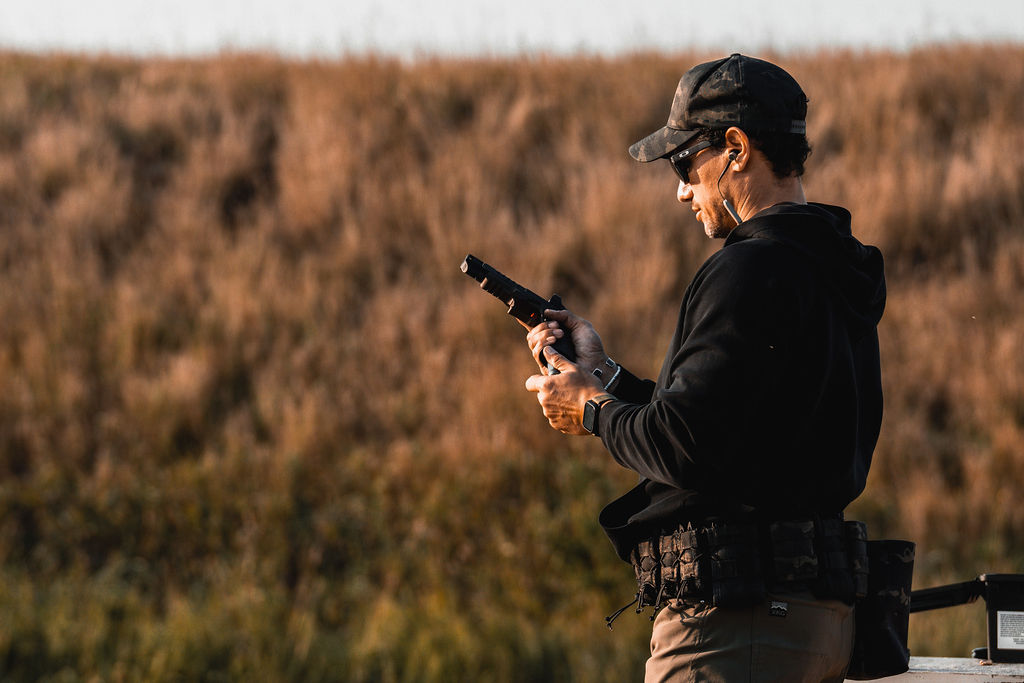
For 2026, several key gear changes were made:
Ammunition changes include:
Heavier projectiles improved ballistic performance and steel reliability while remaining cost-effective.
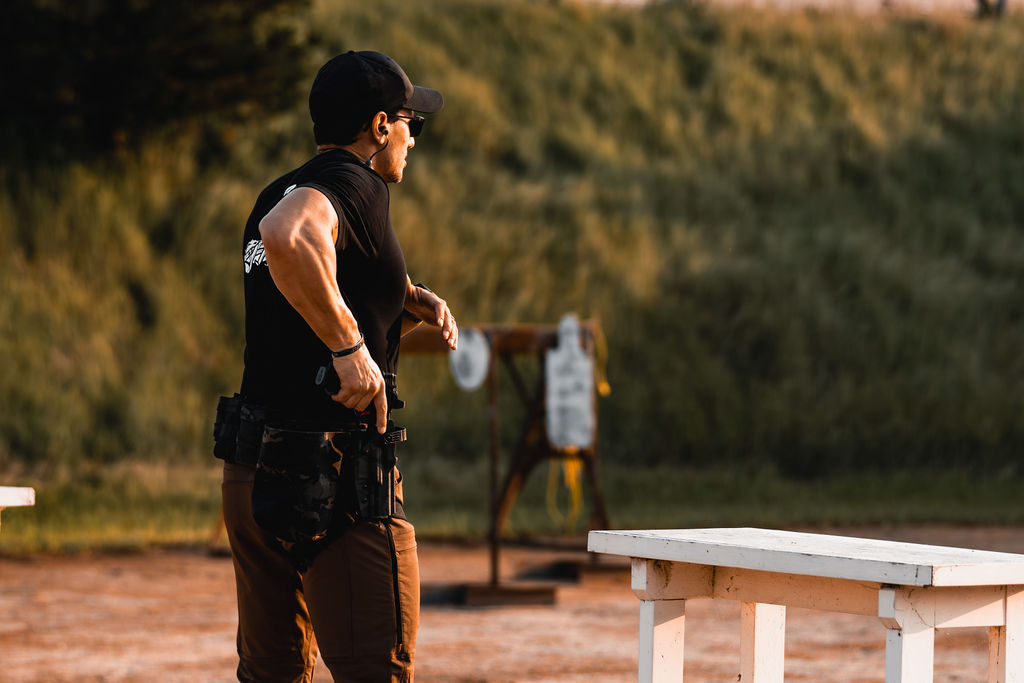
A consistent weekly structure has been critical for balancing training stress, recovery, and real-world responsibilities.
Training sessions typically occur early in the morning. Compared to the 2025 season, start times have been pushed slightly later to prioritize sleep and recovery—an adjustment that has already paid dividends.
When live fire is available, pistol and rifle sessions are alternated to manage ammunition cost and mental fatigue. If two range days are available in a weekend, both platforms are trained. If only one day is available, platforms are alternated week to week.
Dry fire plays a critical role in keeping skills sharp while controlling costs. Without an ammunition sponsor, efficiency matters.
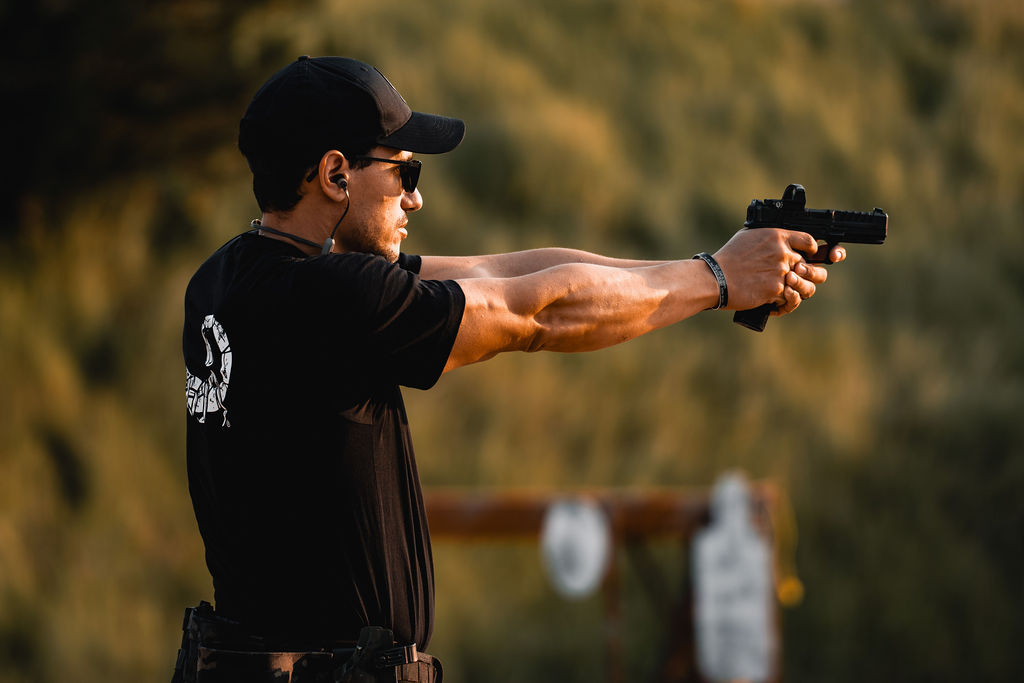
Every session—fitness, dry fire, and live fire—is tracked. If performance isn’t measured, improvement is guesswork.
Sometimes the simplest tools, like a notebook, are still the most effective.
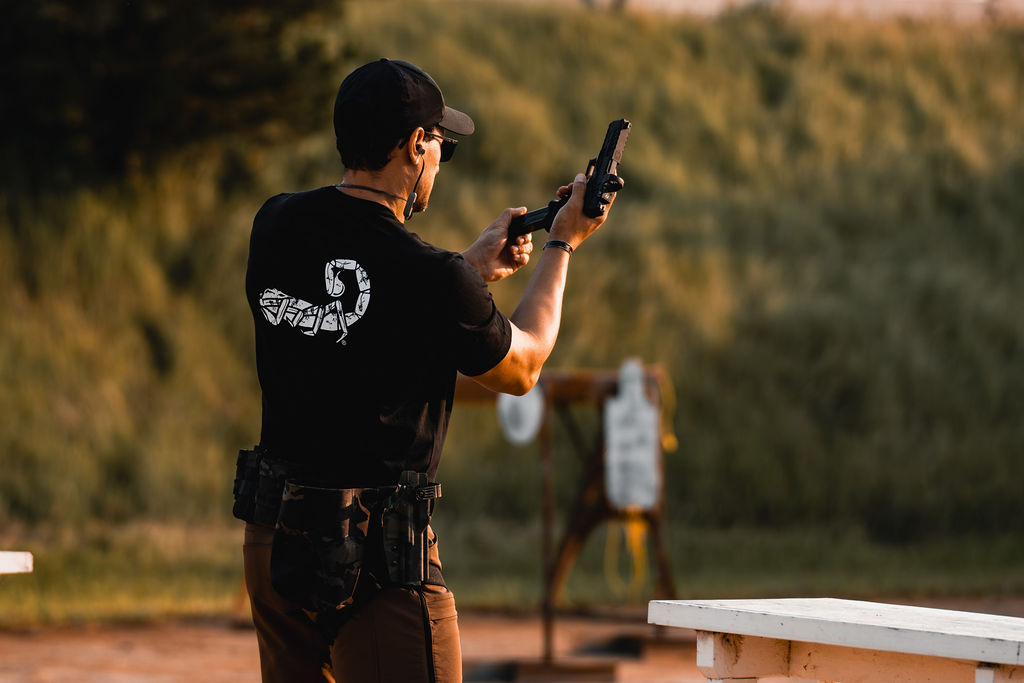
One area that deserves more attention in Tactical Games preparation is mental processing under fatigue. Shooting skill on a flat range and shooting skill after a high-output physical effort are not the same thing.
During several 2025 stages, I noticed that my mechanics were mostly intact, but my decision-making slowed. Simple things—stage plan recall, target order, reload timing—became less automatic once heart rate spiked. This is where Tactical Games differs sharply from most shooting sports. You are not just managing recoil and sight picture; you are managing cognitive load while physically taxed.
For 2026, this means deliberately training decision-making while tired. That includes:
At the top levels, most competitors can shoot accurately. The separation comes from who can think clearly while exhausted.
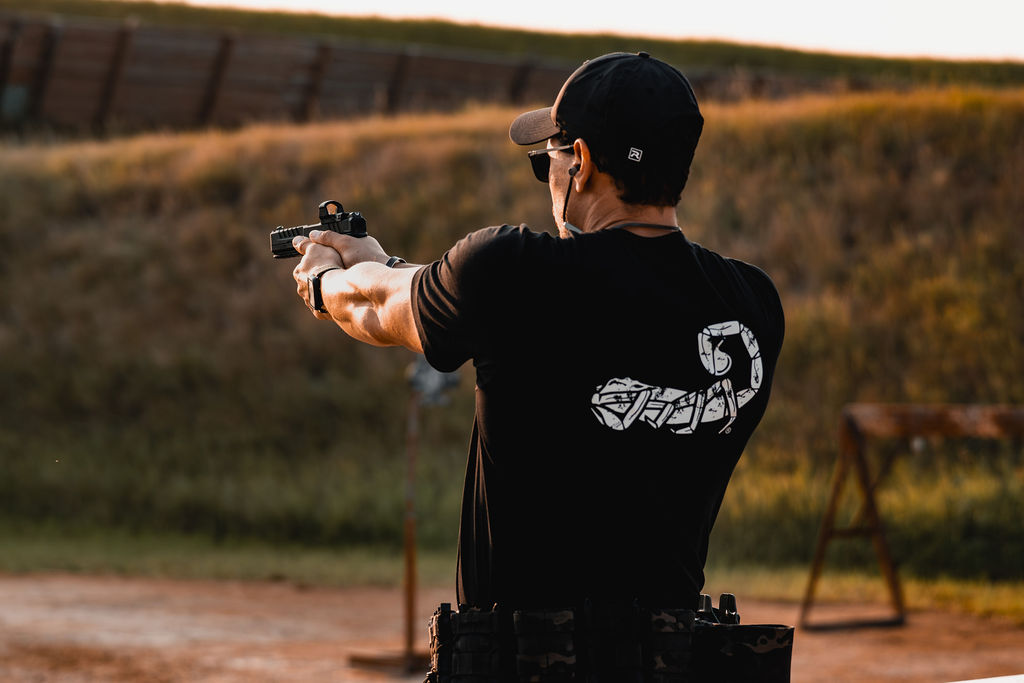
One of the biggest takeaways from my 2025 season was how much harder pistol performance is to maintain compared to rifle under fatigue. Rifle shooting benefits from additional points of contact, better ballistic forgiveness, and generally longer engagement distances that allow more time per shot.
Pistol shooting, by contrast, is unforgiving. Grip degradation, poor trigger prep, and rushed transitions show up immediately on steel and paper. Misses compound quickly, and penalties add up faster than most competitors realize.
In 2026, pistol shooting is treated as a primary limiter—not a secondary skill. Dry fire volume, USPSA crossover matches, and deliberate fatigue-based pistol drills are all focused on making pistol execution more resilient under stress.
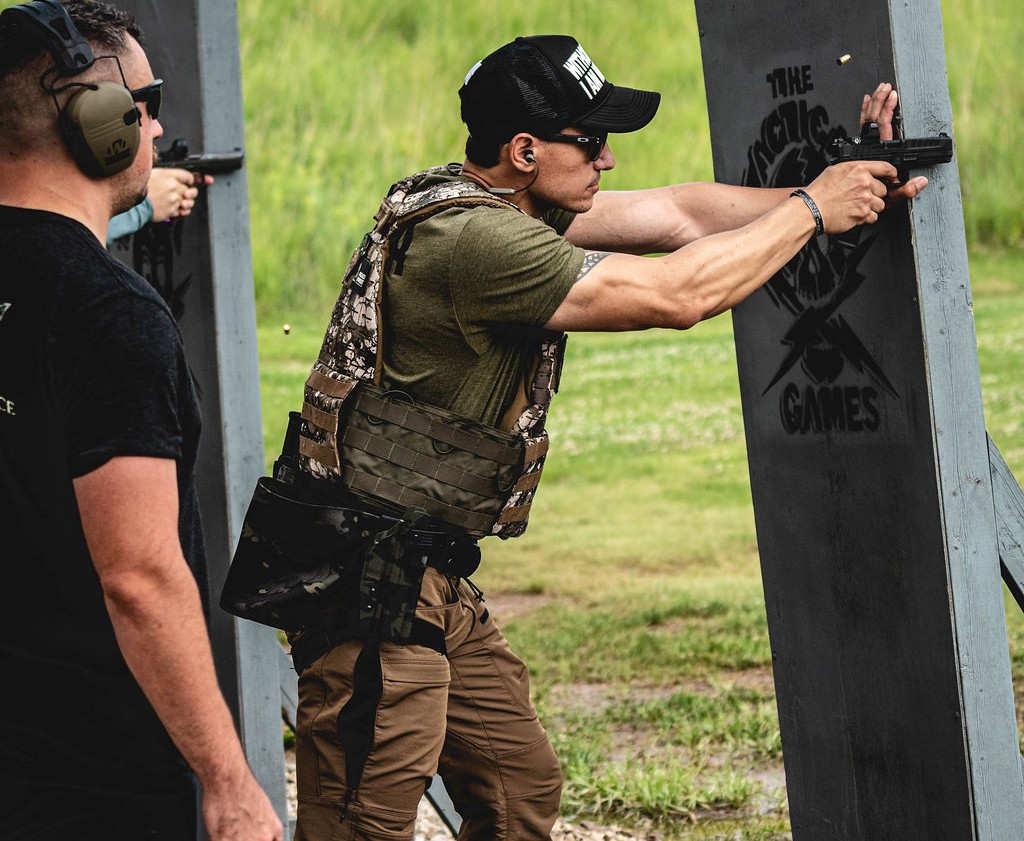
Another lesson reinforced during the 2025 season is that duty-grade gear does not always translate to competition performance. The Tactical Games stages involve movements and positions that are rarely encountered in duty contexts—deep bends, awkward carries, rapid elevation changes, and constant transitions.
Gear that works fine on the range or on duty can fail when subjected to repeated dynamic movement. Magazine retention, plate carrier cut, and overall system balance matter far more than brand reputation.
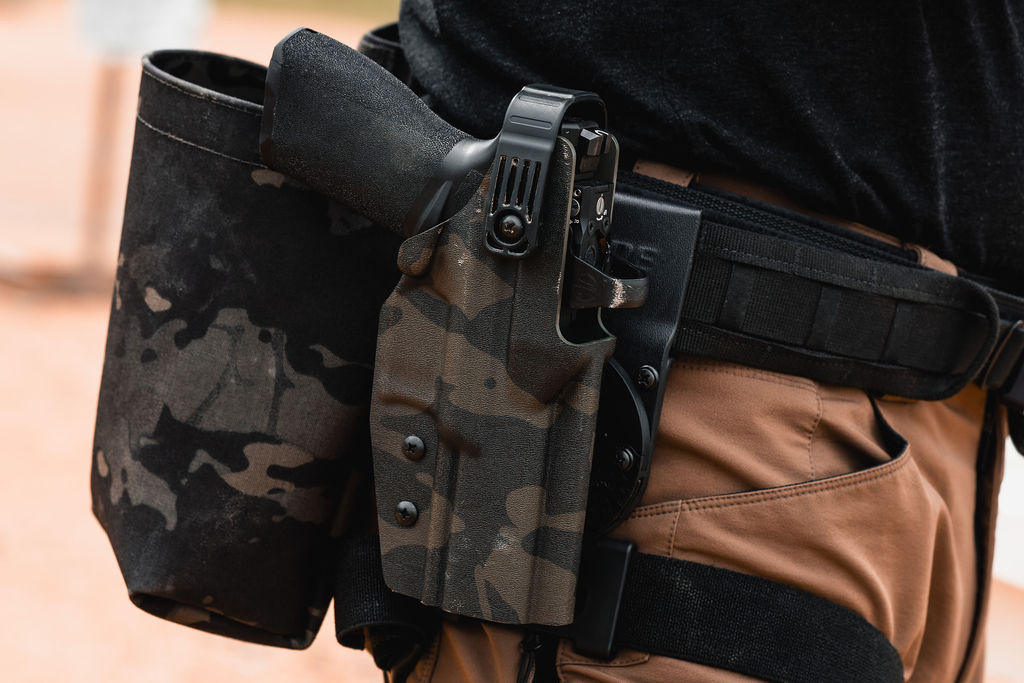
For 2026, every piece of equipment is evaluated through a competition lens:
If the answer is no, it gets replaced.
One of the biggest gaps in my 2025 preparation was the lack of a true off-season protocol. I shifted from CrossFit directly into The Tactical Games preparation. I also didn’t follow the TTG Complete Online Programming phases. Training continued, but it wasn’t clearly segmented into phases with defined objectives.
For 2026, the year is broken into intentional blocks:
This structure prevents burnout, reduces injury risk, and allows for better performance peaks when it matters most.
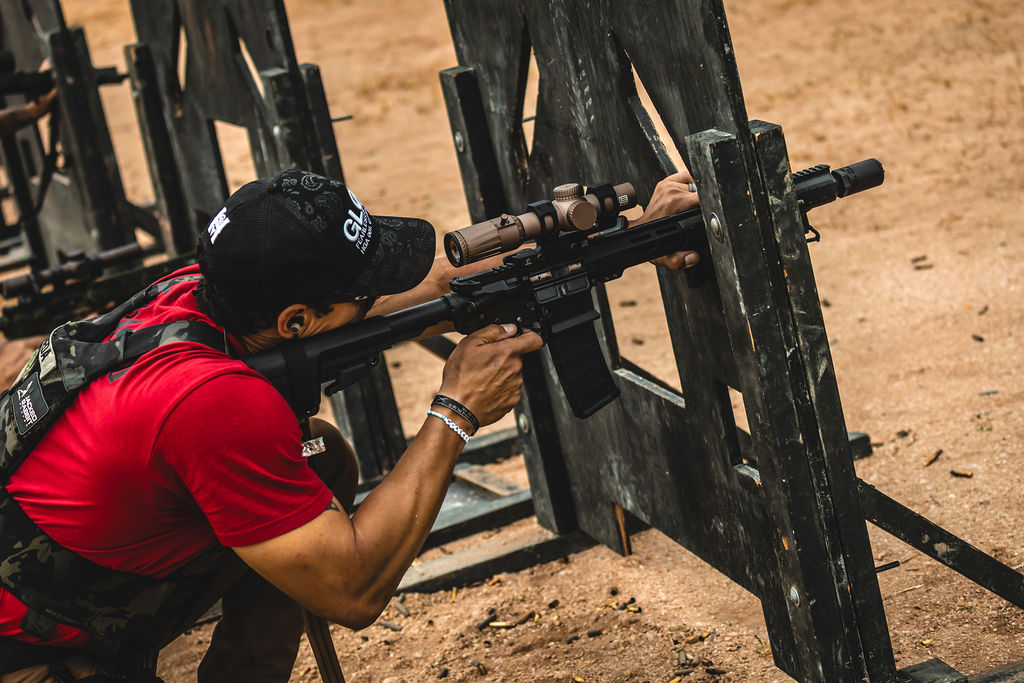
Not all metrics are equally valuable. In 2025, I tracked a lot of data, but not all of it translated directly to competitive improvement.
For 2026, tracking focuses on metrics that directly impact placement:
These numbers tell a clearer story than raw strength or aerobic capacity alone.
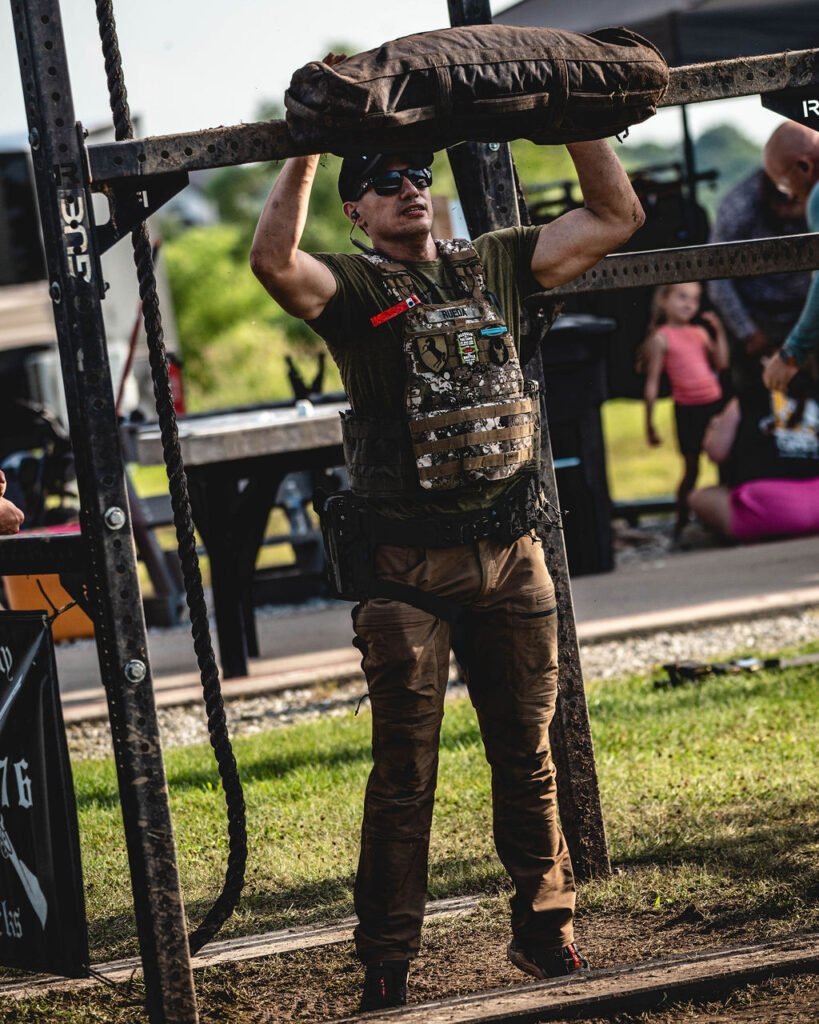
The 2025 Tactical Games season did exactly what it should do—it exposed weaknesses. Some were expected, others were not. Fitness was never the issue. Execution was.
The 2026 season is about tightening every variable that matters: structured shooting practice, deliberate dry fire, smarter gear choices, intentional recovery, and better decision-making under fatigue.
Fitness sets the ceiling. Shooting and execution determine placement.
With a clearer plan, improved structure, and lessons learned the hard way in 2025, the objective is no longer just to compete—but to execute consistently and make a legitimate push toward Nationals.
